


What are the diagnostic methods for anterior vaginal wall prolapse?
Mar 30, 2022
Source: Cainiu Health

Dr. Luo Li
Introduction
Symptoms of vaginal anterior wall prolapse primarily manifest in two aspects:
First, enlargement of the anterior vaginal wall, which may cause urethral displacement and result in urinary dysfunction. Some patients experience difficulty urinating, while many suffer from urinary incontinence—particularly stress incontinence, such as urine leakage during coughing or sneezing.
Second, increased vaginal discharge and secretions. Because the prolapsed vaginal wall protrudes externally, it rubs against undergarments.
After childbirth, inadequate rest and premature engagement in physical labor can easily impair the recovery of vaginal tissues. Some women may develop anterior vaginal wall prolapse, accompanied by various discomforts—prompting them to seek medical evaluation. What diagnostic methods are available for anterior vaginal wall prolapse?
Diagnostic Methods for Anterior Vaginal Wall Prolapse
Diagnostic approaches include laboratory tests—urinalysis, vaginal cytology (Pap smear), and urodynamic studies—as well as auxiliary imaging examinations such as endoscopy and ultrasound.
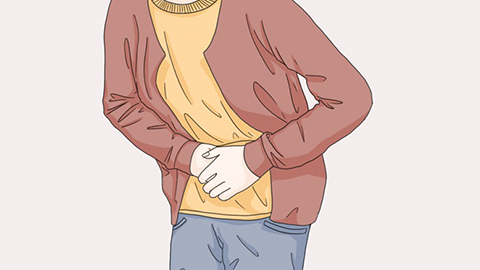
Symptoms of anterior vaginal wall prolapse primarily manifest in two ways: First, bulging of the anterior vaginal wall—where the urethra is displaced—leads to urinary dysfunction. Some individuals experience urinary difficulty, while many suffer from urinary incontinence, particularly stress incontinence (e.g., urine leakage during coughing or sneezing). Second, increased vaginal discharge and secretions occur due to the prolapsed vaginal wall protruding externally and rubbing against undergarments. This friction may cause a corresponding increase in secretions; in rare cases, ulceration and subsequent bleeding may result.

Mild anterior vaginal wall prolapse may be managed conservatively, whereas severe cases often require surgical intervention. Patients commonly report sensations of pelvic pressure or heaviness, low back pain, and a palpable mass protruding from the vagina—symptoms that worsen with prolonged standing, vigorous physical activity, or increased intra-abdominal pressure. Therefore, if you experience urinary incontinence alongside excessive vaginal discharge, it is advisable to consult a healthcare provider for evaluation of possible anterior vaginal wall prolapse. We hope this information is helpful to you.



