


How is luteal phase deficiency treated?
Mar 31, 2022
Source: Cainiu Health

Dr. Yang Qiong
Introduction
Luteal phase deficiency requires treatment with oral or injectable medications as prescribed by a physician. Additionally, traditional Chinese medicine (TCM) can be used to regulate luteal function; TCM approaches are generally considered safe and associated with minimal side effects. Furthermore, it is important to correct unhealthy dietary habits in daily life—incorporating nutrient-rich foods such as milk and eggs is recommended.
In daily life, women often neglect physical health maintenance, making them prone to luteal phase defect (LPD). When visiting a hospital for evaluation, physicians typically recommend a blood test to measure progesterone levels. If the test confirms LPD, how should it be treated?
How is luteal phase defect treated?
Treatment for luteal phase defect generally involves oral or injectable medications prescribed by a physician. Additionally, traditional Chinese medicine (TCM) may be used to regulate and support luteal function. TCM-based approaches are generally considered safe and associated with minimal side effects. Furthermore, adopting healthier dietary habits in daily life is essential—consumption of nutrient-rich foods such as milk and eggs is encouraged.
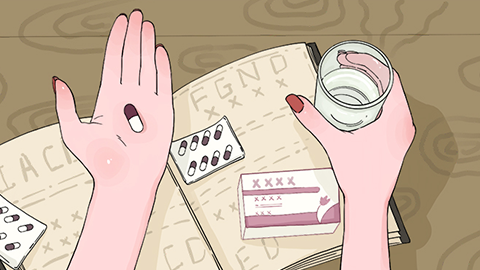
Patients with luteal phase defect should follow a light, balanced diet rich in vitamins (e.g., fresh vegetables and fruits), high-quality proteins, and legumes to enhance overall nutrition. During treatment, personal hygiene must be maintained—washing the external genitalia daily with warm water helps prevent infection. Adequate warmth and rest are also important; avoid overexertion and excessive fatigue.

Emotional regulation is equally vital: avoid extreme mood fluctuations, practice self-adjustment when facing stress or unpleasant situations, and engage regularly in outdoor physical activity to strengthen immunity. If symptoms persist or worsen, prompt medical consultation is advised. We hope this information is helpful to you.



