What should I do if my porcelain-fused-to-metal (PFM) dental crown becomes dislodged?
Apr 14, 2022
Source: Cainiu Health

Dr. Zhang Lei
Introduction
If a porcelain crown becomes dislodged, it is recommended to promptly visit the Department of Stomatology at a reputable hospital—or the Department of Operative Dentistry and Endodontics or the Department of Prosthodontics at a large hospital—for evaluation. The examination will determine whether the remaining natural tooth structure requires treatment and whether further restoration is necessary. During the repair process, both the tooth and the detached porcelain crown must be thoroughly cleaned before re-cementation.
Some women experience dental damage due to improper teeth cleaning (scaling), significantly impacting their daily lives. As a result, many opt for porcelain crowns to address this issue. How long these crowns last is a major concern for patients. So, what should one do if a porcelain crown becomes dislodged?
What to Do If a Porcelain Crown Becomes Dislodged
If a porcelain crown becomes loose or falls off, it is advisable to promptly visit the Department of Stomatology at a reputable hospital—or, specifically, the Department of Operative Dentistry & Endodontics or the Department of Prosthodontics at a large hospital—for evaluation. The dentist will assess whether the remaining natural tooth structure requires treatment and whether further restoration is necessary. During the repair process, both the tooth and the detached crown must be thoroughly cleaned before re-cementation, which often successfully restores function and aesthetics. However, if the porcelain crown itself is damaged, a new crown must be fabricated based on the current condition of the tooth to achieve optimal restoration.
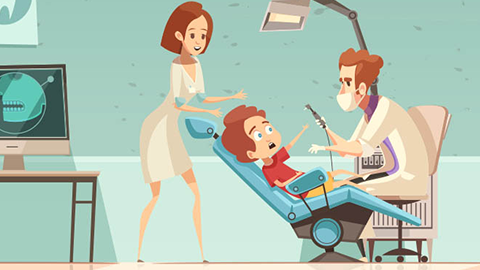
Porcelain crown dislodgement can stem from various causes. First, there may be inherent issues related to the bonding agent—such as inadequate adhesion due to suboptimal cement selection or application. Alternatively, sensitivity or allergic reactions to certain toothpaste ingredients—or contaminants or leaching substances present in the toothpaste—may contribute to premature failure. In such cases, a comprehensive dental examination is essential. If structural defects in the tooth have contributed to the crown’s detachment, restorative treatment and fabrication of a new crown may be required.
Although multiple treatment options exist following porcelain crown dislodgement, the key step is accurately assessing the underlying condition of the tooth. If extensive caries compromises the tooth’s structural integrity to the extent that bonding is no longer feasible, extraction or root canal therapy—followed by appropriate prosthetic rehabilitation—may be the only viable solutions to effectively improve clinical outcomes and restore function. We hope this information proves helpful. Wishing you good health and happiness in life.