


What should I do if there is a gap between my porcelain-fused-to-metal (PFM) crown and the gumline?
Aug 24, 2022
Source: Cainiu Health

Dr. Zhang Liwen
Introduction
There is a gap between the porcelain-fused-to-metal (PFM) crown and the gingiva. The patient should return to the hospital or clinic where the PFM crown was fabricated and request that the dentist remake the porcelain crown. This gap indicates an incomplete marginal seal between the cervical portion of the PFM crown and the natural tooth structure. Over time, this gap may allow food impaction. Through this gap, the root surface—i.e., the patient’s own dental tissue—becomes exposed.
Dental cracks generally have minimal impact on an individual. However, if left untreated for an extended period, they may lead to complications such as periodontitis. Cracks on teeth can also trap food debris, increasing the risk of halitosis (bad breath). What should be done if there is a gap between a porcelain-fused-to-metal (PFM) crown and the gums?
What to Do If There Is a Gap Between a PFM Crown and the Gums
A gap between a PFM crown and the gums indicates incomplete marginal adaptation—i.e., the junction between the crown’s cervical margin and the natural tooth structure is not fully sealed. If this gap persists over time, food particles may become impacted within it. Through this space, the underlying tooth structure—specifically the abutment tooth (the patient’s own natural tooth)—may become damaged, leading to caries, decay, or even necrosis. Such damage compromises the integrity of the abutment tooth and shortens the functional lifespan of the PFM restoration.

Over time, this gap may allow food impaction, potentially damaging the abutment tooth—the patient’s own dental tissue—and resulting in caries or decay. This, in turn, compromises the abutment tooth and reduces the longevity of the PFM crown. Some patients may experience pain, particularly because abutment teeth for PFM crowns are often vital (i.e., retain their living pulp).
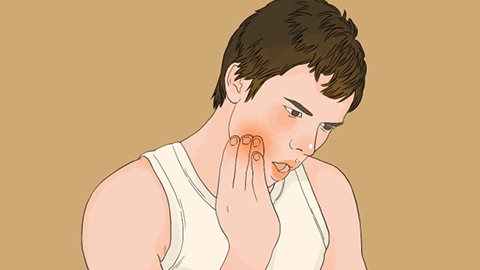
If the abutment tooth remains vital and a gap exists, patients may develop pain and swelling. It is strongly recommended that patients promptly return to their dental clinic to identify the cause of the gap. We hope this information has been helpful.



