


How to Feed Formula to Your Baby
Apr 14, 2022
Source: Cainiu Health

Dr. Ma Yan
Introduction
How to Encourage Your Baby to Drink Formula
There are several methods to help your baby accept formula feeding. For instance, you may apply a small amount of sweet food—such as honey or sugar—onto the bottle nipple to make it more appealing. When selecting a pacifier, opt for a softer one, as babies often find softer pacifiers easier to accept. Additionally, you may add a small amount of honey to the formula—provided it is age-appropriate and recommended by your pediatrician—as some babies enjoy its taste.
*Note: Honey should never be given to infants under 12 months of age due to the risk of infant botulism.*
Many new mothers are unsure how to properly care for their babies, which may lead to feeding aversion—such as refusal to take formula—and cause significant maternal anxiety. How can parents encourage their baby to accept formula?
How to Encourage Your Baby to Accept Formula
There are several strategies to help your baby accept formula. For instance, you may lightly coat the nipple with a small amount of sweet-tasting food, such as honey or sugar (note: honey should never be given to infants under 12 months due to the risk of infant botulism). When selecting a pacifier, opt for a softer one, as its gentler texture may make it more acceptable to your baby. You may also consider adding a small amount of honey to the formula—but again, this is strictly contraindicated for infants under 1 year. A safer and more effective approach is to first express breast milk into a bottle and allow your baby to become accustomed to bottle-feeding; once the baby accepts the bottle and nipple, gradually introduce formula by mixing it with expressed breast milk, then transitioning fully to formula.
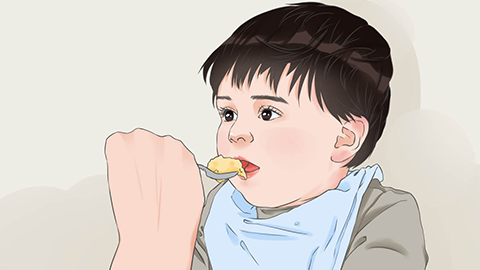
Formula supplementation is typically recommended when breast milk supply is insufficient. If your baby initially refuses formula, try offering it again when the baby is genuinely hungry—this increases the likelihood of acceptance. If gastrointestinal discomfort arises after introducing formula—or if there is suspicion of cow’s milk protein allergy—consider switching to a partially hydrolyzed protein formula, which is easier to digest and may alleviate symptoms. For babies experiencing digestive issues, pediatricians may recommend probiotics to support gut health and ease symptoms. Note that infants’ gastrointestinal systems are still developing; therefore, improper feeding practices or dietary choices can easily lead to food stagnation and indigestion.

Under a physician’s guidance, parents may administer San Gu Zi Xiao Er Qi Xing Cha Granules (a traditional Chinese herbal preparation) to promote digestion and prevent constipation. We hope this information is helpful to you.




