


What is a child’s normal body temperature?
Apr 14, 2022
Source: Cainiu Health

Dr. Ma Yan
Introduction
Children experience rapid growth and development, along with a relatively high metabolic rate; consequently, their heart rate and respiratory rate are faster, and their bodies generate more heat—resulting in a higher basal body temperature. A child’s temperature exceeding 37.5°C indicates fever, specifically low-grade fever. A temperature below 36°C is considered hypothermia, while a temperature above 39°C is classified as hyperthermia.
A normal body temperature signifies good health, whereas an elevated temperature often indicates illness. What is considered a normal body temperature for children?
What Is a Normal Body Temperature for Children?
The normal body temperature range for children is 36.2–37.2°C. Due to their rapid growth and development, children have a relatively high metabolic rate, faster heart and respiratory rates, and consequently generate more body heat—resulting in a higher baseline (resting) temperature. A temperature exceeding 37.5°C is classified as fever, specifically low-grade fever. Hypothermia is defined as a temperature below 36°C, while hyperthermia refers to a temperature above 39°C. Axillary (underarm) temperature measurement is the most commonly used, safe, and accurate method in pediatric practice.
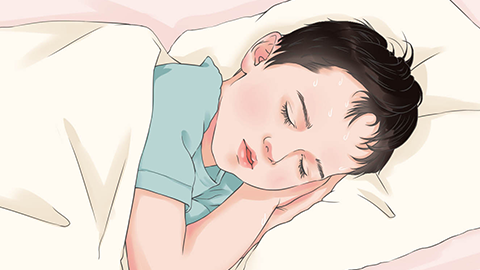
If your child’s temperature is slightly elevated, remain calm. Monitor the temperature closely and ensure the ambient room temperature is not excessively high during measurement. A child’s temperature may temporarily rise above 37.5°C after feeding, vigorous activity, or crying. In such cases, parents should take multiple temperature readings and wait 20–30 minutes after feeding or physical exertion before re-measuring.

When a child’s temperature remains below 38°C and the child appears alert and in good spirits, antipyretic medications are generally unnecessary; physical cooling methods are recommended instead. These include gently sponging the forehead, armpits, groin, palms, and soles with lukewarm water; using diluted medical alcohol (25–50% concentration, prepared from 75% alcohol) for sponge baths; or applying cooling fever patches to the forehead or other areas of the body. We hope this information proves helpful!





