Effects of Evening Primrose Oil
Apr 14, 2022
Source: Cainiu Health

Dr. Li Man
Introduction
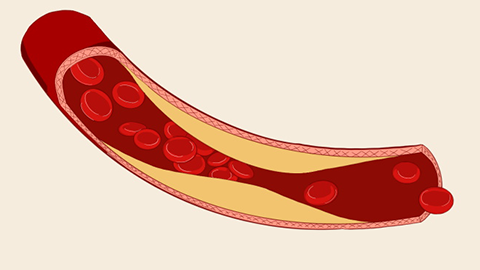
Evening primrose oil is rich in γ-linolenic acid (GLA), which exhibits significant lipid-lowering and anticoagulant effects. It reduces serum total cholesterol, low-density lipoprotein cholesterol (LDL-C), and very-low-density lipoprotein cholesterol (VLDL-C), while markedly increasing high-density lipoprotein cholesterol (HDL-C) levels—demonstrating potent lipid-lowering and anti-atherosclerotic effects.
Evening primrose oil is relatively common in daily life; however, some people may not be fully aware of its specific health benefits and functions—and may wish to learn more about them.
Health Benefits of Evening Primrose Oil
Evening primrose oil is rich in gamma-linolenic acid (GLA), which exhibits notable lipid-lowering and anticoagulant effects. It effectively reduces serum total cholesterol, low-density lipoprotein cholesterol (LDL-C), and very-low-density lipoprotein cholesterol (VLDL-C), while significantly increasing high-density lipoprotein cholesterol (HDL-C) levels—thereby demonstrating potent lipid-lowering and anti-atherosclerotic properties. Additionally, GLA inhibits platelet aggregation and thromboxane A₂ synthesis, contributing to the prevention and management of thrombotic cardiovascular diseases. GLA also stimulates brown adipose tissue, enhancing mitochondrial activity in brown fat cells and promoting excess calorie expenditure—thus offering modest weight-management benefits.
Evening primrose oil is extracted from the seeds of the evening primrose plant. This oil possesses strong health-promoting properties and certain medicinal value, making it a common ingredient in numerous pharmaceutical and nutraceutical products. Moreover, evening primrose oil contains a rich array of nutrients.
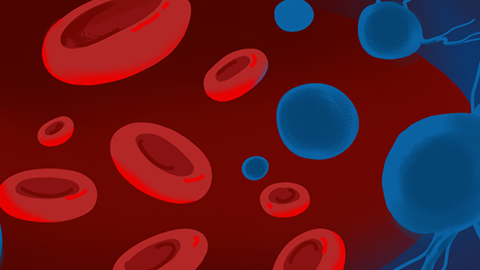
Prolonged or excessive use of evening primrose oil may cause certain adverse effects in humans. Long-term consumption may lead to “internal heat” (a traditional concept referring to symptoms such as dry mouth, sore throat, or irritability). Therefore, during supplementation, it is advisable to follow a light, non-greasy diet and avoid spicy or stimulating foods. Drinking ample water is also recommended to help alleviate these heat-related symptoms. We hope this information is helpful to you.