


Does prostate calcification affect fertility?
Apr 15, 2022
Source: Cainiu Health

Dr. Li Mingchuan
Introduction
Prostatic calcification generally has minimal impact on fertility. It is primarily caused by calcium crystal deposits in the prostate or localized fibrosis and calcification resulting from chronic prostatitis. Bacteria can easily colonize calcified areas of the prostate; when immunity in the lower body is compromised, these bacteria may proliferate extensively, triggering episodes of prostatitis.
Prostatitis is a relatively common condition among men, significantly impacting daily life and often causing considerable distress. So, does prostatic calcification affect fertility?
Does Prostatic Calcification Affect Fertility?
Generally, prostatic calcification has minimal impact on fertility. It primarily results from calcium deposits within the prostate or localized fibrosis and calcification secondary to chronic prostatitis. Bacteria can easily colonize these calcified areas; when immunity in the lower body is compromised, bacterial proliferation may trigger acute episodes of prostatitis. Thus, prostatic calcification and chronic prostatitis often coexist, potentially establishing a vicious cycle.
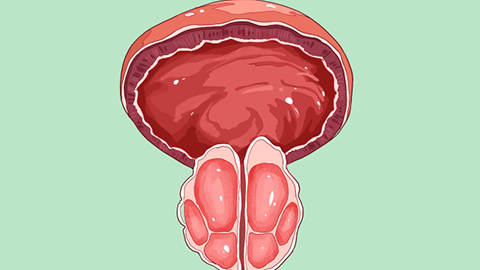
Patients with prostatic calcification typically exhibit no distinct clinical symptoms. Initial treatment recommendations include anti-infective therapy and oral antibiotics—such as levofloxacin tablets or cephalosporins. Additionally, adjunctive therapies—including red-light irradiation, local heat application, and prostate massage—can improve local blood circulation in the prostate, thereby effectively promoting resolution of chronic inflammation and yielding favorable therapeutic outcomes. A third option involves intra-prostatic injection of antibiotics directly into the glandular tissue, which also demonstrates excellent efficacy.
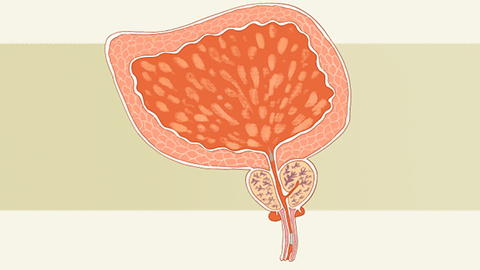
Maintaining overall good health is essential. Drinking ample warm water helps accelerate urination and flushes the urethra, thereby alleviating urinary frequency and urgency associated with the condition. We hope this information proves helpful to you!



