Is it normal for a 10-year-old child to develop spider angiomas on the face?
Apr 15, 2022
Source: Cainiu Health
Dr. Gan Liqiang
Introduction
Spider angiomas on the face of a 10-year-old child are generally considered atypical. Spider angioma is an idiopathic capillary telangiectasia, typically resulting from increased estrogen secretion and decreased testosterone secretion. It may occur in both healthy individuals and those with liver disease. Therefore, if a child presents with spider angiomas on the face, it is advisable to consult a physician for a thorough evaluation.
In daily life, spider angiomas on a child’s face are often attributable to genetic factors. This condition may affect facial appearance, causing significant anxiety among parents. Is it normal for a 10-year-old child to develop spider angiomas on the face?
Is it normal for a 10-year-old child to develop spider angiomas on the face?
The appearance of spider angiomas on the face of a 10-year-old child is generally considered atypical. Spider angiomas are a form of idiopathic capillary telangiectasia, typically resulting from increased estrogen and decreased testosterone levels. Although they may occur in otherwise healthy individuals, they can also signal underlying liver disease. Therefore, if a child develops spider angiomas, it is advisable to consult a physician for thorough evaluation.

Laser therapy can effectively remove spider angiomas. The principle behind laser treatment involves selective absorption of specific wavelengths by hemoglobin within the blood vessels, leading to targeted vascular injury or complete destruction—while sparing surrounding healthy skin tissue. Consequently, laser therapy achieves optimal therapeutic outcomes for spider angiomas.
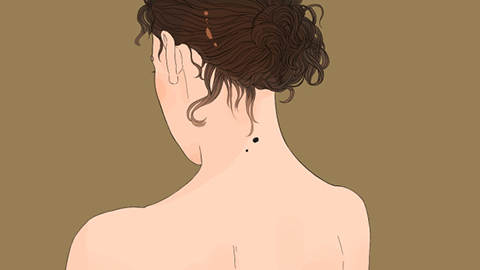
Treating spider angiomas begins with identifying the underlying cause—this is key to successful resolution. Since multiple factors can contribute to their development, self-medication—especially in children, whose systems are more delicate—must be avoided. When spider angiomas appear on a child’s face, parents should promptly seek medical evaluation and follow the physician’s guidance for safe, appropriate treatment. Dietary management should emphasize light, easily digestible foods. We hope this information proves helpful!