


Nutritional Value, Benefits, and Functions of Potatoes
Apr 15, 2022
Source: Cainiu Health

Dr. Zhao Haiming
Introduction
Potatoes are highly nutritious and can harmonize the stomach, strengthen the spleen, and promote diuresis. This is because they contain abundant starch and protein, as well as vitamins B and C, which aid digestion. Additionally, potatoes have a lubricating effect on the intestines and help relieve constipation, owing to their high content of dietary fiber, which facilitates the timely elimination of metabolic toxins from the body.
Potatoes are one of the most commonly consumed foods. They are typically eaten as a staple food but can also be used as an ingredient in various dishes. Potatoes boast rich nutritional value—so what exactly are their nutritional benefits, health effects, and therapeutic properties?
Nutritional Value, Health Benefits, and Therapeutic Effects of Potatoes
Potatoes possess high nutritional value and help harmonize stomach function, strengthen the spleen, and promote diuresis and dampness elimination. This is attributed to their abundant starch and protein content, along with vitamins B and C, which collectively support healthy digestion. Additionally, potatoes have a mild laxative effect due to their high dietary fiber content, facilitating regular bowel movements, aiding timely elimination of metabolic toxins, preventing constipation, and reducing the risk of multiple diseases.
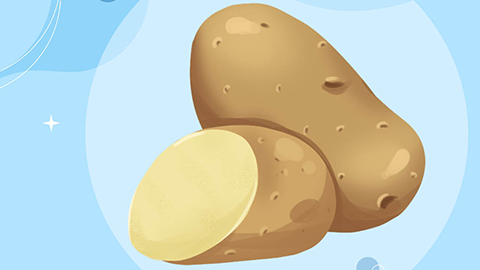
Moreover, moderate potato consumption may help lower blood lipid and blood glucose levels and promote skin health. This is because potatoes contain unique protective mucoproteins that lubricate the digestive and respiratory tracts. These compounds significantly benefit cardiovascular health and help prevent atherosclerosis. Potatoes are also classified as alkaline vegetables, helping maintain the body’s acid-base balance by neutralizing acidic metabolic byproducts.
Although potatoes offer numerous health benefits, certain individuals should avoid or limit their intake—including those with gastrointestinal discomfort or renal tubular impairment. Pregnant women and young children should also consume potatoes sparingly, as they contain relatively high levels of naturally occurring alkaloids; excessive intake may adversely affect fetal or child development. We hope this information proves helpful.



