


What Are the Symptoms of Ovulation in Women?
Apr 15, 2022
Source: Cainiu Health

Dr. Lv Aiming
Introduction
1. Increased vaginal discharge: An increase in vaginal discharge during the ovulation period is a normal physiological phenomenon.
2. Changes in basal body temperature: A shift in basal body temperature commonly occurs around the time of ovulation.
3. Decreased immunity: During ovulation, women may experience reduced nasal mucus production, thereby increasing the risk of bacterial invasion into the respiratory system.
The ovulation period is a particularly important phase for women, as it represents a critical window for both conception and contraception. However, many women are unaware of the physical symptoms that may occur during ovulation. So, what are the common signs of ovulation in women?
What Are the Symptoms of Ovulation in Women?
1. Increased Vaginal Discharge
An increase in vaginal discharge is a common occurrence during ovulation—and is considered entirely normal. If you suddenly find yourself needing to use panty liners or notice persistent dampness on your underwear throughout the day, this may indicate that you are in your ovulation phase.
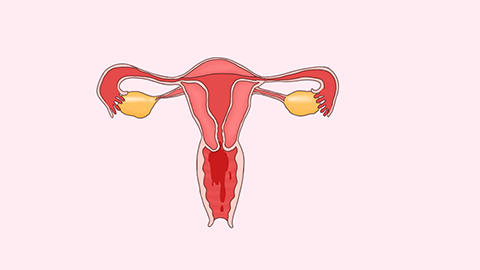
2. Basal Body Temperature (BBT) Changes
A shift in basal body temperature is another hallmark sign of ovulation. Following ovulation, rising levels of progesterone—produced by the corpus luteum—cause a slight but measurable increase in body temperature. By consistently measuring your basal body temperature each morning upon waking, you can identify your ovulation window based on the characteristic shift from a lower to a slightly elevated temperature.
3. Decreased Immune Function
During ovulation, cervical mucus becomes thinner and more elastic—facilitating sperm transport and thereby increasing the likelihood of conception. Concurrently, nasal mucosal secretions decrease, potentially heightening susceptibility to respiratory infections due to reduced mucosal defense.
4. Heightened Libido
Overall, women often experience increased sexual desire during ovulation—a physiological signal reflecting peak fertility and the body’s natural drive toward conception.
The above outlines the most common symptoms associated with female ovulation. We hope this information is helpful to you.



