


What Should Pregnant Women Eat to Supplement Nutrition?
Apr 17, 2022
Source: Cainiu Health
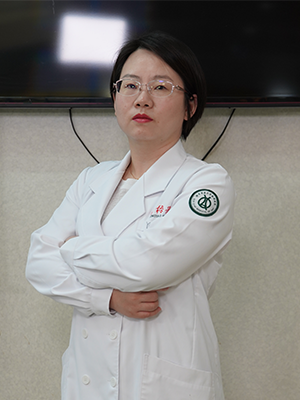
Dr. Yang Qiong
Introduction
Pregnant women must maintain a balanced nutritional intake throughout pregnancy to ensure adequate carbohydrate consumption. Many pregnant women often avoid staple foods due to concerns about excessive weight gain during pregnancy or the baby growing too large—this is, in fact, an incorrect practice. Carbohydrates account for 50%–60% of total energy requirements during pregnancy.
After becoming pregnant, every woman pays special attention to her dietary regimen, as proper nutrient supplementation not only supports maternal health but also promotes optimal fetal growth and development. So, what should pregnant women eat to meet their increased nutritional needs?
What Should Pregnant Women Eat to Meet Their Nutritional Needs?
Throughout pregnancy, women must maintain a balanced intake of nutrients, particularly ensuring adequate carbohydrate consumption. Many pregnant women avoid staple foods due to concerns about excessive weight gain or having an overly large baby—yet this is actually an inappropriate practice. Carbohydrates supply 50–60% of total energy requirements during pregnancy; therefore, sufficient intake is essential. However, because blood glucose levels tend to rise more easily during pregnancy—increasing the risk of gestational diabetes—it is advisable to prioritize whole grains and mixed grains (e.g., oats, barley, millet, and legumes) over refined rice and white flour products.

Adequate energy intake, combined with appropriate carbohydrate choices, helps effectively regulate blood glucose levels and reduces the risks of gestational diabetes and macrosomia (excessively large babies).

In addition, pregnant women should consume sufficient high-quality protein from lean meats, eggs, and other sources. Protein provides vital energy throughout pregnancy, especially lean meat. Red meats—including pork and beef—are particularly recommended, as they are rich in iron. During pregnancy, the fetus’s iron demands often lead to dilutional anemia in the mother; thus, consuming iron-rich foods is especially important. We hope this information proves helpful to you.



