


What should I do if a fleshy lump appears at the anal opening?
Apr 18, 2022
Source: Cainiu Health

Dr. Luo Yong
Introduction
A fleshy mass near the anus is most commonly associated with hemorrhoids, which should be the primary consideration. Hemorrhoids are classified into three types: internal hemorrhoids, external hemorrhoids, and mixed hemorrhoids. However, treatment selection must be individualized based on the patient’s clinical symptoms. In daily life, attention should be paid to diet—spicy and irritating foods should be avoided. If severe symptoms develop and cannot be adequately controlled with conservative medical therapy, surgical intervention should be considered.
A fleshy lump inside the anus is most commonly indicative of hemorrhoids. So, what should one do if a fleshy lump appears at the anal verge?
What to Do If a Fleshy Lump Appears at the Anal Verge
A fleshy lump near the anus is most often attributable to hemorrhoids—a common clinical manifestation. Hemorrhoids are classified into three types: internal, external, and mixed. Treatment selection must be individualized based on the patient’s specific clinical symptoms.
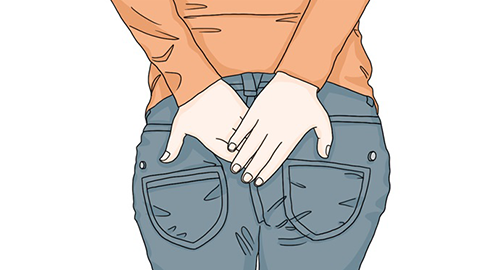
Simple skin tags and connective tissue external hemorrhoids may also present with swelling, yet patients often remain asymptomatic. Because treatment is challenging in such cases, gentle cleansing with warm water after each bowel movement—along with dietary adjustments to promote regular, soft stools—is recommended to help prevent acute hemorrhoidal exacerbations. When local pain, congestion, edema, and varying degrees of rectal bleeding occur, pharmacologic or surgical intervention may be required to alleviate symptoms and completely remove the fleshy mass. Topical application of hemorrhoid ointment is commonly used; alternatively, oral medications specifically formulated for hemorrhoids—including agents that cool the blood, stop bleeding, reduce swelling, and relieve pain—may be prescribed. In more severe cases, direct surgical excision of the swollen hemorrhoidal node can achieve complete resolution.
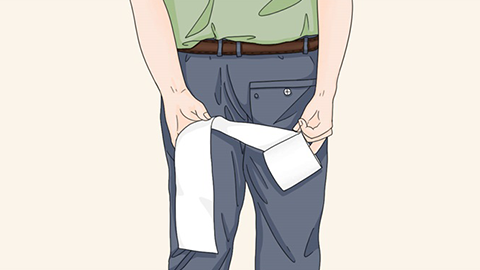
In daily life, attention to diet is essential: avoid spicy and irritating foods. Maintain regular, unstrained bowel movements and ensure thorough perianal hygiene after defecation to prevent hemorrhoid progression. If symptoms become severe and fail to respond adequately to conservative medical management, surgical treatment should be considered. Surgical excision is the definitive method for eliminating hemorrhoidal tissue—once removed, the fleshy mass disappears permanently. Hospitalization and adjunctive drug therapy may support recovery, but symptomatic treatment alone will not eradicate the underlying hemorrhoidal tissue. We hope this information proves helpful. Wishing you a joyful life and optimal health!





