


How to Feed Infant Formula to Your Baby
Apr 20, 2022
Source: Cainiu Health

Dr. Yang Qiong
Introduction
For exclusively breastfed infants, transitioning to formula feeding requires an adjustment period. You may try changing the feeding container, switching to a different formula brand, or gradually introducing formula to help the infant adapt. Many exclusively breastfed infants may resist formula due to differences in taste and texture. If your baby refuses formula, begin by adjusting the feeding container—such as trying different brands or types of bottle nipples.
During breastfeeding, various factors may prevent the baby from continuing to nurse, necessitating a switch to infant formula. However, since the baby is accustomed to breastfeeding, they may initially resist formula feeding. How, then, can parents successfully transition their baby to formula?
How to Transition Your Baby to Formula
For exclusively breastfed infants, accepting formula requires time and patience. You can try adjusting the feeding vessel (e.g., bottle type or nipple), switching to a different formula brand, or gradually introducing formula to help the baby adapt. Many exclusively breastfed babies resist formula primarily due to differences in taste and texture. If your baby refuses formula, begin by experimenting with alternative feeding vessels. Some infants dislike sucking on standard bottle nipples; therefore, trying different brands or types of nipples may help.

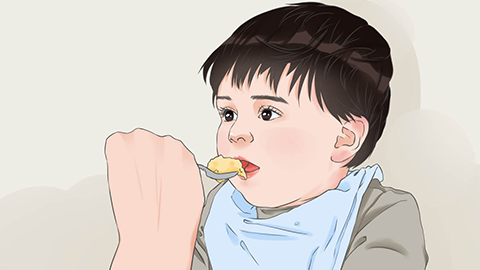
Additionally, pay close attention to the nipple’s diameter—it should neither be too large nor too small, as an ill-fitting nipple may cause discomfort during feeding and discourage the baby from eating. If your baby persistently refuses both the bottle and nipple, consider alternative feeding methods, such as spoon-feeding. For older infants—typically those aged six months or older—you may also introduce feeding cups, including sippy cups, spout cups, or even straw cups, to facilitate a gradual transition.
Regarding formula selection, some infants reject certain formulas due to taste preferences. Switching to another brand may improve acceptance, as individual babies often show greater tolerance for specific formulas. We hope this information proves helpful!




