Can moderate-stage liver failure be cured?
Apr 21, 2022
Source: Cainiu Health

Dr. Jin Zhongkui
Introduction
Intermediate-stage liver failure can be reversed through professional treatment. However, selecting an appropriate treatment tailored to the patient’s condition is crucial for recovery. Plasma exchange is one such effective option. When initiated during the intermediate stage of liver failure, plasma exchange helps eliminate harmful substances from the bloodstream and supports clinical improvement. Close monitoring of hepatic changes is essential; coagulopathy and hepatic encephalopathy commonly develop at this stage.
The patient has developed liver failure, which has progressed to the intermediate stage. Concerned about hospitalization—both the associated costs and the uncertainty of treatment efficacy—the patient wonders: Can intermediate-stage liver failure be cured?
Can intermediate-stage liver failure be cured?
Intermediate-stage liver failure can be reversed through professional medical intervention; however, treatment must be individualized according to the patient’s specific condition to optimize recovery. Plasma exchange is one effective therapeutic option. For patients with intermediate-stage liver failure, plasma exchange helps eliminate harmful substances from the bloodstream, thereby supporting clinical improvement.
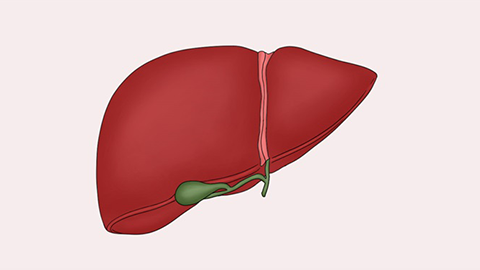
Monitor for characteristic hepatic changes, particularly coagulopathy and hepatic encephalopathy. Prevent infections—especially in the lungs and oral cavity—and ensure appropriate nutritional support, including supplementation of protein, coagulation factors, and vitamins. Medication should be administered strictly per physician guidance. Following comprehensive evaluation at the hospital, clinicians may prescribe targeted therapies, including active antiviral treatment. Such therapy effectively suppresses viral replication, slows progression of liver failure, and reduces the risk of hepatocellular carcinoma. However, close monitoring during treatment is essential to detect potential viral mutations or disease exacerbation following discontinuation of therapy.
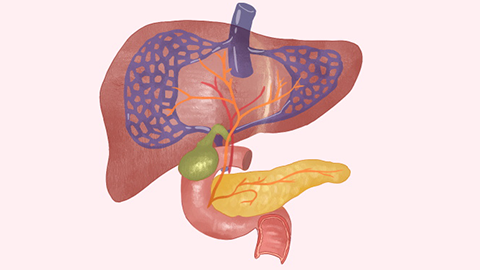
Upon diagnosis, prompt hospital referral and collaborative management are critical. In daily life, strict bed rest is mandatory to minimize physical exertion. Closely monitor and meticulously document urinary and bowel patterns, and promptly communicate all observations to healthcare providers. We hope this information proves helpful!