What Are the Symptoms of Kidney Failure?
Apr 21, 2022
Source: Cainiu Health

Dr. Zhao Xinju
Introduction
Renal failure is a syndrome characterized by impaired kidney function, metabolic disturbances, and multisystem symptoms resulting from various causes. It is primarily classified into acute kidney injury (AKI) and chronic renal failure, with some cases representing chronic renal failure. Typical AKI can be divided into three phases: the initiation phase, the maintenance phase, and the recovery phase. Its main manifestations include changes in urine output, multisystem symptoms, and disturbances in water, electrolyte, and acid-base balance.
Renal failure is a syndrome characterized by impaired kidney function, metabolic disturbances, and multisystem symptoms resulting from various underlying causes. It is primarily classified into acute kidney injury (AKI) and chronic kidney disease (CKD); some patients present with CKD.

What Symptoms Does Renal Failure Cause?
The clinical manifestations of chronic kidney disease are complex and broadly categorized into two major groups: metabolic disturbances and multisystem involvement. Renal failure may be either acute or chronic. In the early stage, patients with acute renal failure may experience no specific discomfort or only nonspecific symptoms such as dizziness and nausea.
In typical cases of acute kidney injury, patients may be asymptomatic initially or exhibit symptoms such as dizziness and nausea secondary to hypotension or ischemia. During the maintenance phase, characteristic manifestations include oliguria or anuria, generalized edema, anorexia, nausea, vomiting, dyspnea, and cardiac arrhythmias—reflecting involvement across multiple organ systems. Chronic kidney disease commonly features disorders of water–electrolyte balance and acid–base homeostasis, as well as involvement of the gastrointestinal, respiratory, cardiovascular, and nervous systems. Some patients also develop comorbidities such as hypertension and diabetic complications.
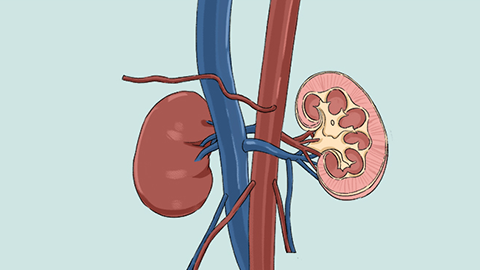
Renal failure can produce a wide array of symptoms; when overt symptoms appear, the disease is often already advanced. Patients are strongly advised to seek prompt medical evaluation and treatment under the guidance of a physician.