


Is acute gastric mucosal lesion serious?
Apr 21, 2022
Source: Cainiu Health

Dr. Liu Zhengxin
Introduction
Acute gastric mucosal lesions are severe. These lesions are typically caused by severe abdominal trauma or unhealthy dietary habits, leading to symptoms such as nausea, vomiting, hematemesis, melena, and pallor. If left untreated, acute gastric mucosal lesions may progress rapidly, potentially resulting in hemorrhagic shock and, ultimately, death.
With societal development and improved living standards, some individuals embrace a nocturnal lifestyle—frequently consuming skewered grilled foods (“lu chuan”) and alcohol—leading to an increased incidence of gastric disorders. How serious is acute gastric mucosal lesion?
How serious is acute gastric mucosal lesion?
Acute gastric mucosal lesion is a serious condition. It commonly results from severe abdominal trauma or unhealthy dietary habits, manifesting with symptoms such as nausea, vomiting, hematemesis (vomiting blood), melena (black tarry stools), and pallor. Without prompt treatment, the condition may progress rapidly, potentially causing hemorrhagic shock and even death.
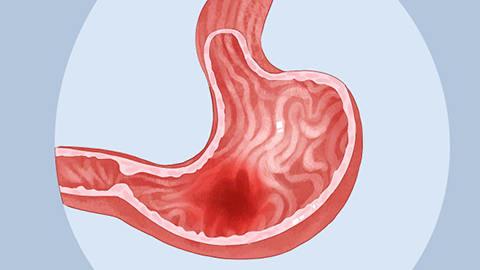
Acute gastric mucosal lesion is triggered by various physical and chemical factors—including alcohol consumption, certain medications (e.g., NSAIDs), and specific foods. Common clinical manifestations include abdominal pain, nausea, vomiting, and hematochezia (rectal bleeding). Standard management involves symptomatic and supportive therapy. The first step is identifying and eliminating underlying causes: smoking cessation, alcohol restriction, and discontinuation of gastric mucosa–damaging drugs (e.g., nonsteroidal anti-inflammatory drugs). Mucosal-protective agents—such as hydrotalcite and sucralfate oral suspension—are often prescribed alongside acid-suppressing medications like omeprazole. For patients with gastrointestinal bleeding, hemostatic agents are administered, and intravascular volume is replenished. In cases of massive hemorrhage, blood transfusion may be required.

In daily life, dietary modifications are essential: avoid spicy and irritating foods; instead, consume easily digestible foods and fresh fruits and vegetables. Maintain regular sleep-wake patterns and ensure adequate rest. We hope this information proves helpful to you.


