


What is acute gastric mucosal lesion?
Apr 14, 2022
Source: Cainiu Health

Dr. Liu Zhengxin
Introduction
Acute gastric mucosal lesions refer to pathological changes in the gastric mucosa characterized by varying degrees of erosion, superficial ulcers, and bleeding.
Acute gastric mucosal lesions are defined by varying degrees of gastric mucosal erosion, superficial ulcers, and bleeding.
Gastric mucosal lesions encompass inflammatory changes, erosion, ulceration, atrophy, intestinal metaplasia, and hyperplasia of the gastric mucosa.
With the accelerating pace of modern life and increasing work- and life-related stress, many men fail to maintain regular eating habits, which may lead to gastric disorders. What exactly is acute gastric mucosal lesion?
What Is Acute Gastric Mucosal Lesion?
Acute gastric mucosal lesion refers to a pathological condition characterized by varying degrees of mucosal erosion, superficial ulcers, and bleeding originating from the gastric mucosa. It is defined by mucosal necrosis, superficial ulceration, and hemorrhage to varying extents. Gastric mucosal lesions encompass a spectrum of pathological changes, including inflammation, erosion, ulceration, atrophy, intestinal metaplasia, and hyperplasia.
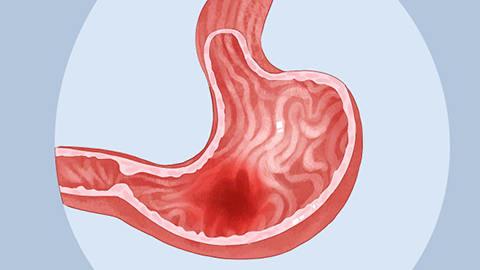
Since gastric contents are acidic, they can directly irritate damaged gastric mucosa, thereby impeding recovery. Therefore, acid-suppressing agents—such as omeprazole capsules or ranitidine capsules—are recommended. Treatment typically also involves mucosal protective and reparative agents (e.g., bismuth potassium citrate or Kangfuxin liquid) to promote healing of the injured mucosa. If patients experience prominent symptoms such as epigastric pain or abdominal distension, symptomatic pharmacotherapy should be administered accordingly.
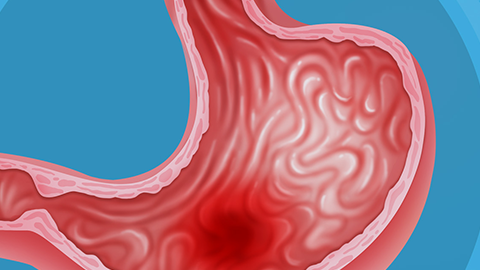
Patients with acute gastric mucosal lesion typically exhibit endoscopic findings of gastric mucosal hyperemia, edema, erosion, and sometimes active bleeding. These lesions often result from corticosteroid use or psychological stress, leading to mucosal injury and hemorrhage. Clinically, patients commonly present with upper abdominal pain and distension, which may progress to nausea, vomiting, hematemesis, and even melena. Diagnosis relies on esophagogastroduodenoscopy (EGD). Upon confirmation of acute gastric mucosal lesion, patients should consume cool, liquid foods. We hope this information proves helpful.



