Evodia Fruit: Efficacy and Effects
Apr 21, 2022
Source: Cainiu Health

Dr. He Haochen
Introduction
Evodia Fruit (Wu Zhu Yu) is primarily used to warm the middle burner, direct rebellious Qi downward, relieve pain, alleviate coughing caused by cold-heat reversal, dispel dampness and blood stasis-induced bi syndrome, expel wind pathogens, and stimulate appetite.
It is indicated for cold-phlegm, severe epigastric and abdominal colic, chronic cold conditions, moderate nausea, chest and abdominal pain, rebellious Qi, and promoting the function of the five zang organs.
It treats disorders of the heart and abdomen, accumulation of cold, heart-Qi deficiency, scabies, and cardiac pain; manages cholera, muscular and tendon disorders, gastric cold, vomiting, diarrhea, and severe abdominal pain that is unbearable; and is employed for chronic cough due to lung deficiency.
Evodia fruit (Evodia rutaecarpa) is a relatively common traditional Chinese herbal medicine, known for its analgesic effects and its ability to treat deficiency-cold patterns of the liver and stomach. However, some people may not be fully aware of its specific therapeutic actions. So, what are the pharmacological effects and clinical applications of Evodia fruit?
Pharmacological Effects and Clinical Applications of Evodia Fruit
Evodia fruit is primarily used to warm the middle burner, direct rebellious Qi downward, relieve pain, alleviate cold-induced coughing and wheezing, dispel dampness and blood stasis, expel wind pathogens, and stimulate appetite. It is indicated for phlegm-cold syndromes, severe epigastric or abdominal colicky pain, chronic cold conditions, moderate nausea, heart and abdominal pain, rebellious Qi, and to promote the healthy functioning of the five zang organs. It treats disorders involving the heart and abdomen, accumulation of cold, cardiac Qi deficiency, scabies, and angina-like chest pain; manages cholera, muscular and tendon spasms, gastric cold, vomiting, diarrhea, and intractable abdominal pain. It is also employed for prolonged cough due to lung deficiency, cough with dyspnea, hemoptysis, fever damaging Yin, dry throat and thirst, deficient-heat fatigue, and toothache caused by stomach fire. Additionally, Evodia fruit exhibits functions including replenishing Qi and nourishing blood, enhancing resistance to hypoxia, strengthening the body’s immune response, and promoting protein synthesis.

In general, Evodia fruit cultivators typically purchase cuttings or potted seedlings aged 7–8 months for planting. Sowing usually occurs between May and July each year; fruits can be harvested as early as July of the following year, with semi-productive yields commencing in the third year. High-yield production begins in the fourth year and continues through the fifth to tenth years. Evodia trees can bear fruit continuously for approximately 30 years.
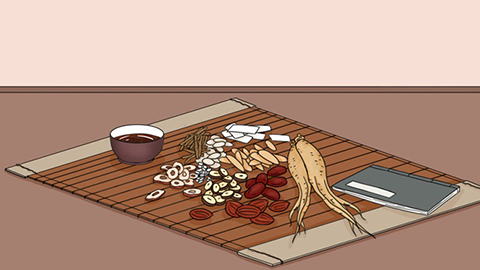
Evodia fruit possesses certain toxicity; overdose may lead to poisoning, manifesting as vomiting and diarrhea. As it enters the Spleen and Stomach meridians and is classified as a warm, pungent herb, it is contraindicated in individuals with Yin deficiency and hyperactive Yang (i.e., deficiency-heat patterns). We hope this information proves helpful to you.