


Can Griseofulvin Tablets Treat Onychomycosis?
Apr 24, 2022
Source: Cainiu Health

Dr. Gan Liqiang
Introduction
Griseofulvin can be used to treat onychomycosis. It is a conventional antifungal agent. Prior to initiating oral therapy for onychomycosis, liver and kidney function must be assessed. If hepatic and renal function are normal, oral administration may proceed; however, because griseofulvin exhibits some hepatorenal toxicity, liver and kidney function should be re-evaluated periodically during treatment.
Griseofulvin is a conventional antifungal agent with proven efficacy in treating onychomycosis (commonly known as “ringworm of the nail” or “tinea unguium”). So, can griseofulvin tablets treat onychomycosis?
Can Griseofulvin Tablets Treat Onychomycosis?
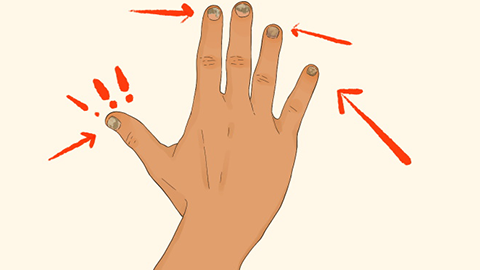
Griseofulvin is effective for treating onychomycosis. It is a traditional antifungal drug. Prior to initiating oral therapy, liver and kidney function must be assessed. If hepatic and renal functions are normal, oral administration may proceed—however, because griseofulvin carries potential hepatorenal toxicity, periodic monitoring of liver and kidney function is required throughout treatment. Onychomycosis is a fungal infection of the nail plate or subungual tissues caused by dermatophytes. As a conventional antifungal agent, griseofulvin inhibits fungal DNA synthesis and disrupts fungal cell division, thereby exerting antifungal activity effective against onychomycosis.
The recommended treatment duration for onychomycosis with this medication is 4–6 months, requiring continuous dosing. Since griseofulvin is lipophilic, it should preferably be taken after meals or with food. Alcohol consumption—including heavy or regular drinking—should be avoided during treatment. Due to its numerous adverse effects—including gastrointestinal discomfort, photosensitivity, leukopenia, and hepatorenal toxicity—griseofulvin is now rarely used. Therefore, baseline assessment of liver and kidney function is essential before initiating therapy. Compared with griseofulvin, itraconazole and terbinafine are currently preferred first-line oral antifungals for onychomycosis.
Compared with griseofulvin, these newer agents exhibit significantly fewer adverse effects and offer greater convenience of use, along with superior clinical efficacy. Consequently, griseofulvin is seldom employed for onychomycosis today. We hope this information has been helpful to you!



