


How Should Pregnant Women Protect Themselves from Radiation During Pregnancy?
Apr 24, 2022
Source: Cainiu Health

Dr. Wang Lianlian
Introduction
Pregnant women can adopt the following measures for radiation protection:
- Wear anti-radiation clothing. Metal fiber fabric—made from double-layered silver-coated fibers with an embedded metal mesh—can absorb or shield electromagnetic waves.
- If work requires prolonged use of a computer, it is recommended to take a break and move around for about 30 minutes after every 1–2 hours of continuous computer use, thereby avoiding extended periods in front of the screen.
Many pregnant women spend prolonged periods working in front of computers. In such cases, it is essential to adopt certain measures to protect the fetus from potential radiation exposure. How can pregnant women minimize radiation exposure during pregnancy?
How Can Pregnant Women Minimize Radiation Exposure During Pregnancy?
Pregnant women may consider the following radiation-protection strategies: wearing anti-radiation clothing. Metallic fiber fabric—composed of double-silver fibers with an embedded metal mesh—can absorb or shield electromagnetic waves. If computer use is unavoidable, it is advisable to take a break every 1–2 hours and stand up and move around for approximately 30 minutes to avoid extended screen time. Ensure good indoor ventilation and maintain comfortable temperature and humidity levels. Consume foods known for their radioprotective properties, such as black sesame seeds, tomatoes, and green tea. Prioritize prenatal health care and attend scheduled antenatal check-ups.
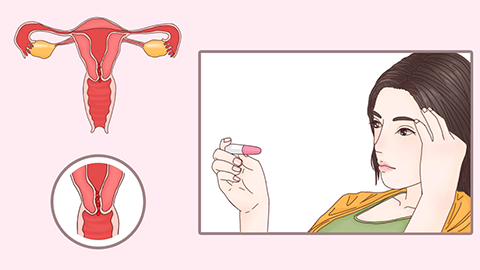
Generally speaking, minimal radiation exposure poses no significant risk to fetal development. However, diagnostic imaging procedures such as CT scans or MRI (though MRI does not involve ionizing radiation, CT does) may expose the fetus to ionizing radiation, potentially increasing risks including miscarriage, congenital malformations, impaired brain development, or childhood malignancies. Therefore, special precautions must be taken during pregnancy to safeguard fetal development from radiation exposure—and such imaging tests should be strictly avoided unless absolutely medically necessary.

Regular prenatal examinations are essential throughout pregnancy to monitor fetal development. Additionally, maintaining a balanced, nutrient-rich diet—including appropriate proportions of both animal- and plant-based foods—is highly recommended. We hope this information proves helpful!



