


What happens if someone who is not pregnant takes abortion medication?
Apr 25, 2022
Source: Cainiu Health

Dr. Cao Ting
Introduction
Abortion drugs have significant side effects on the human body. If taken orally without pregnancy, they can disrupt hormonal balance, potentially causing symptoms such as irregular vaginal bleeding and abdominal pain, as well as menstrual cycle disturbances. It is advisable to consume more vegetables and fruits and drink plenty of water to facilitate drug elimination. If not pregnant, abortion drugs should not be taken.
Some individuals mistakenly take abortion-inducing medications despite not being pregnant, leading to concerns about potential adverse effects on their health. What happens if someone takes abortion pills without being pregnant?
What Happens If Abortion Pills Are Taken Without Pregnancy?
Abortion medications carry significant side effects. Taking them without pregnancy can disrupt hormonal balance, potentially causing irregular vaginal bleeding, abdominal pain, and menstrual cycle disturbances. To facilitate drug elimination, it is advisable to consume more vegetables and fruits and drink plenty of water. Importantly, abortion pills should never be taken unless pregnancy has been confirmed. For those wishing to avoid pregnancy, effective contraception must be used prior to sexual intercourse. Additionally, maintaining good external genital hygiene and engaging in regular physical exercise to strengthen immunity are recommended.
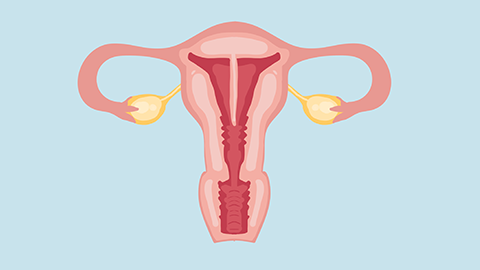
Abortion pills refer to medications used clinically for medical termination of pregnancy; commonly prescribed agents include mifepristone tablets and misoprostol tablets. Medical abortion must be performed under clinical supervision at a public hospital equipped with emergency resuscitation capabilities, as it carries inherent risks. Incomplete abortion is a common complication, and women undergoing medical abortion are at increased risk of severe hemorrhage.
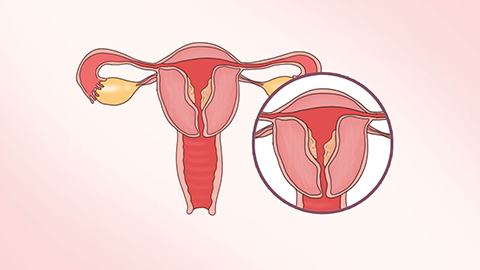
In the event of heavy bleeding, immediate uterine evacuation (dilation and curettage) is required to control hemorrhage. Therefore, self-administration of abortion pills at home is extremely dangerous and strongly discouraged. A follow-up ultrasound examination should be scheduled one week after medical abortion. Given the relatively low success rate of medical abortion—approximately 60%—many patients require subsequent surgical intervention (e.g., dilation and curettage). We hope this information proves helpful!



