


What should I do if my wound becomes inflamed?
Apr 27, 2022
Source: Cainiu Health

Dr. Liu Wan
Introduction
Wound Inflammation Management: Wound Debridement and Dressing Change
Wound Irrigation:
- Uncover the wound and cleanse it of inflammatory exudate, necrotic tissue, and purulent infectious fluid.
- Using scissors or forceps, carefully remove all yellow, abnormal necrotic tissue before irrigating the wound with sterile saline or clean water.
- For deep wounds with a small external opening but a larger internal cavity, diluted hydrogen peroxide may be used for irrigation to eliminate anaerobic bacteria within the wound.
In daily life, many people sustain wounds for various reasons. When a wound becomes inflamed, individuals often worry that it may cause more serious harm to their health. So, what should one do if a wound becomes inflamed?
What to Do When a Wound Becomes Inflamed
Managing wound inflammation involves wound cleansing and dressing changes. First, gently remove the existing dressing and thoroughly clean the wound to eliminate inflammatory exudate, necrotic tissue, and purulent infectious fluid. Using sterile scissors or forceps, carefully debride all yellowish or otherwise abnormal necrotic tissue. Only then should the wound be rinsed with clean water. For deep wounds with a small external opening but a larger internal cavity, diluted hydrogen peroxide may be used to irrigate the wound—this helps eradicate anaerobic bacteria. However, normal saline should always be used for final irrigation.

Drainage tube placement: After irrigation, gently wipe the wound bed with sterile cotton balls or gauze. A drainage tube may then be placed. To prepare one, cut sterile gauze into strips using sterile scissors; grasp one end of the strip with sterile forceps and position it directly at the deepest part of the incision. Purulent discharge and other wound exudates will wick outward along the gauze strip. In cases of severe inflammation, dressings should be changed twice daily; for milder inflammation, at least one dressing change per day is recommended. Consistent, diligent wound care typically leads to gradual healing of the inflamed wound within several days.
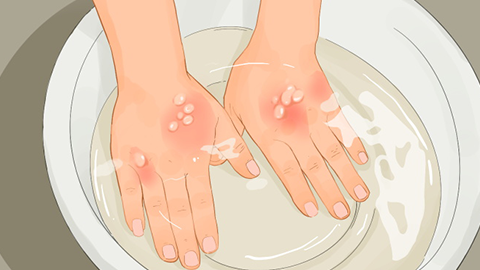
Patients should maintain a light, nutritious diet and avoid spicy or irritating foods, which may exacerbate inflammation. We hope this information proves helpful!





