What Is Osteogenesis Imperfecta?
Apr 28, 2022
Source: Cainiu Health

Dr. Lin Yunfei
Introduction
Osteogenesis Imperfecta (OI), also known as brittle bone disease, is a congenital genetic disorder with an incidence of 1 in 40,000. Its primary manifestation is bone fragility; affected individuals are colloquially referred to as “porcelain dolls.” Clinically, OI is mainly classified into two types:
1. Congenital OI—onset occurs at birth or during fetal development;
2. Late-onset OI—in mild cases, patients experience recurrent fractures and progressive spinal deformities; in severe cases, life expectancy is significantly shortened.
Many people in daily life are unaware of what osteogenesis imperfecta (OI) is—so, what exactly is osteogenesis imperfecta?
What Is Osteogenesis Imperfecta?
Osteogenesis imperfecta (OI), also known as brittle bone disease, is a congenital genetic disorder with an incidence of approximately 1 in 40,000. Its hallmark feature is extreme bone fragility, earning affected individuals the colloquial term “brittle bone babies” or “porcelain dolls.” Clinically, OI is primarily categorized into two types: (1) the congenital (severe) form, which manifests prenatally or at birth and is associated with profound disease severity; and (2) the late-onset (milder) form, in which patients experience recurrent fractures and progressive spinal deformities, while severely affected individuals often have shortened life expectancy. OI—also referred to as brittle bone disease or porcelain doll disease—is a relatively common pediatric disorder affecting bone and connective tissue.
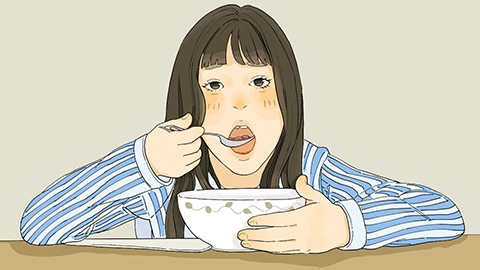
This condition impairs the formation of bone and connective tissue, leading to structural abnormalities not only in the skeleton but also in other connective tissue–rich organs—including the eyes and ears. Affected children typically exhibit delayed physical development and are prone to fractures even after minor trauma. Consequently, these children are often affectionately—but poignantly—called “porcelain dolls” or “glass children.” These manifestations collectively constitute the clinical features of osteogenesis imperfecta. Current treatment strategies for OI focus primarily on improving quality of life, enhancing motor function, and prolonging survival; however, there remains no definitive cure for this condition.
The most prominent symptom of OI is recurrent fractures; therefore, preventing falls is critically important in daily life. A diet rich in calcium, protein, and vitamin D is recommended to help strengthen bones.We hope this information has been helpful to you!