


Can elderly individuals with diabetes consume beef bone soup?
Apr 29, 2022
Source: Cainiu Health

Dr. Pan Yongyuan
Introduction
Elderly patients with diabetes are advised against consuming bone soup. While beef bone soup is highly nutritious, it is also high in fat and calories. For patients with poorly controlled blood glucose, long-term consumption of large amounts of beef bone soup may cause fluctuations in blood sugar levels. If a diabetic patient also has hyperlipidemia, intake of beef bone soup must be restricted. Diet plays a significant role in blood glucose management for individuals with diabetes.
Diabetes is a common chronic condition, affecting numerous individuals in daily life and posing significant risks to health. Early detection and timely treatment are essential—especially given the numerous dietary considerations involved in diabetes management. So, can elderly individuals with diabetes consume beef bone soup?
Can elderly individuals with diabetes drink beef bone soup?
Elderly patients with diabetes are generally advised against consuming bone-based soups, including beef bone soup. Although beef bone soup is nutritionally rich, it is also high in fat and calories. For patients with poorly controlled blood glucose, long-term or excessive consumption may cause significant fluctuations in blood sugar levels. Moreover, if a diabetic patient also has hyperlipidemia, intake of beef bone soup must be strictly limited. Diet plays a critical role in glycemic control.
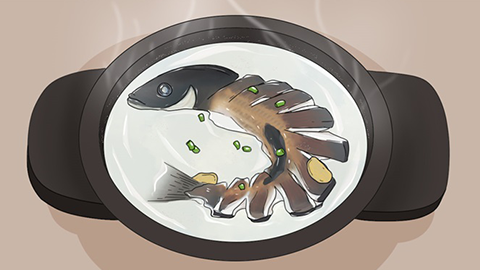
Elderly diabetic patients have many suitable soup options, such as various vegetable-based soups—for example, tomato-and-egg soup or seaweed soup—as well as kelp-and-pork-rib soup, chicken soup, or fish soup. Silver ear fungus and lotus seed soup is also an appropriate choice. Regardless of the type of soup consumed, avoid adding sugar; prepare it lightly with minimal oil and salt; use modest amounts of scallions, ginger, and garlic for flavor; and limit overall intake. Such practices support the health of elderly diabetic patients and have minimal impact on blood glucose levels.

Individuals with diabetes should monitor and control their total daily caloric intake and engage in regular physical activity to promote calorie expenditure, thereby aiding glycemic control. Routine self-monitoring of blood glucose levels is also crucial. We hope this information proves helpful. Wishing you good health and a joyful life!









