


Treatment of Cold Urticaria
May 05, 2022
Source: Cainiu Health

Dr. Liu Wan
Introduction
Treatment for cold urticaria can involve dietary regulation or antiallergic therapy. Managing cold urticaria is relatively challenging and primarily focuses on three strategies:
1. Avoid cold stimuli as much as possible to reduce the likelihood of cold-induced urticaria flares and lower disease incidence;
2. Use antiallergic medications appropriately and consistently;
3. For mild cases, select one or two antiallergic drugs to effectively control disease flare-ups.
During winter, some individuals experience heightened skin sensitivity, leading to the development of hives on the skin surface—specifically cold urticaria. What are the treatment options for cold urticaria?
Treatment Approaches for Cold Urticaria
Cold urticaria can be managed through dietary adjustments and/or antiallergic therapy. Treatment is often challenging and generally focuses on three key strategies: First, minimize exposure to cold stimuli to reduce the likelihood of triggering urticarial episodes and prevent disease onset. Second, implement standardized antiallergic therapy. For mild-to-moderate cases, one or two antihistamines—such as mizolastine tablets, ebastine tablets, desloratadine citrate tablets, or cetirizine tablets—are typically prescribed to control symptom flares. If response is suboptimal, compound glycyrrhizin tablets may be added to help modulate immune function.
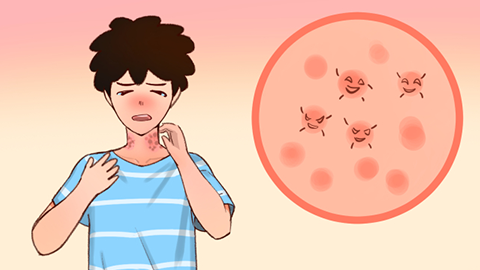
Third, actively identify potential underlying triggers. Some cases of cold urticaria are hereditary, while others may represent manifestations of systemic disorders—such as cryoglobulinemia or paroxysmal cold hemoglobinuria. Comprehensive evaluation of other organ systems is therefore essential to determine the root cause.
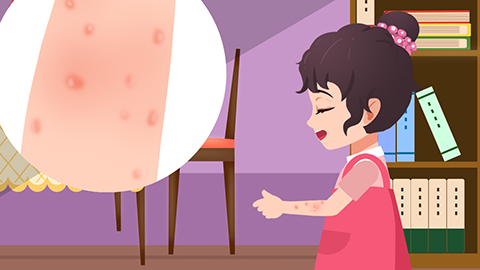
Additionally, certain foods may provoke allergic reactions in susceptible individuals—including strong alcoholic beverages, chocolate, and acrolein—as well as food additives such as flavorings, preservatives, and artificial colorants. Naturally occurring or synthetic compounds found in foods—such as yeast, salicylic acid, and citric acid—may also act as triggers. Other potential culprits include mint-flavored candies, mint cigarettes, and baked goods. Excessive consumption of these items should be avoided, as they may exacerbate preexisting conditions. We hope this information proves helpful to you!


