


Cold Urticaria Treatment
May 05, 2022
Source: Cainiu Health

Dr. Liu Wan
Introduction
Cold urticaria can be treated with topical ointments. It is a relatively common form of urticaria, and management primarily involves avoiding local thermal stimuli—both excessive cold and heat. For mild symptoms, antihistamines may be prescribed; for more severe cases, combination therapy with two to three antihistamines may be used. The most typical cause of cold urticaria is genetic.
Urticaria is a relatively common condition, primarily affecting individuals with compromised immune function or heightened skin sensitivity. How is cold-induced urticaria treated?
Treatment of Cold-Induced Urticaria
Cold-induced urticaria can be managed topically with medicated ointments. It is one of the more common forms of urticaria and is primarily treated by avoiding localized thermal extremes—especially cold exposure. For mild cases, antihistamines are typically sufficient; for more severe cases, combination therapy with two to three antihistamines may be required.
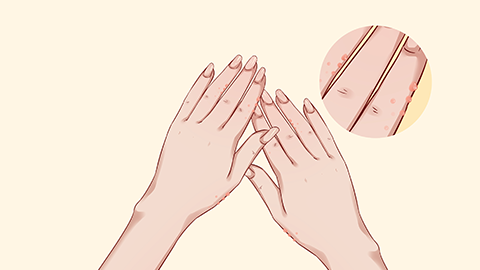
The most typical cause of cold-induced urticaria is genetic predisposition—it is an inherited susceptibility disorder. Children of affected parents have a significantly higher risk of developing this condition. Alternatively, acquired cold-induced urticaria may occur, linked to individual constitutional factors. Individuals with weakened immunity or underlying immunological disorders are particularly prone to developing cutaneous lesions characteristic of cold-induced urticaria.
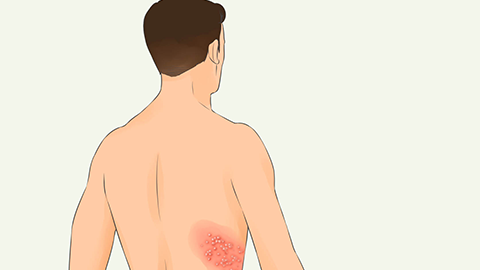
Cold-induced urticaria can affect individuals of any age. As its name implies, cold exposure is the primary trigger. During winter, patients may develop localized wheals upon exposure of their skin to cold wind. Similarly, contact with cold water or cold objects may provoke wheals and pruritus in affected areas. Young women are comparatively more susceptible to cold-induced urticaria. Following exposure to causative triggers, patients typically develop wheals, and many also experience headache. We hope this information proves helpful!


