


What to Do About Rosacea and Visible Blood Vessels in Sensitive Skin
May 05, 2022
Source: Cainiu Health

Dr. Liu Wan
Introduction
Methods for removing red blood cells include active cell therapy, drug therapy, and traditional Chinese medicine (TCM) therapy. It is best to consult a physician and select an appropriate treatment at a hospital under professional medical guidance. In daily life, avoid contact with allergens and irritants; wear a mask when going outdoors, and refrain from using cosmetics. Maintain a light diet—avoid spicy or allergenic foods—to prevent exacerbation of the condition. This is especially important for individuals with sensitive skin and visible facial redness (telangiectasia).
In daily life, many individuals with sensitive skin develop visible facial telangiectasia (spider veins), which significantly affects appearance and necessitates timely treatment. So, what should be done about telangiectasia associated with sensitive skin?
What to Do About Telangiectasia in Sensitive Skin
Treatment options for telangiectasia include autologous cell therapy, pharmacotherapy, and traditional Chinese medicine (TCM) therapy. It is strongly recommended to consult a dermatologist and select an appropriate treatment method at a hospital under professional medical guidance. Avoid contact with allergens and irritants in daily life; wear a mask when outdoors; refrain from using cosmetics; maintain a light, bland diet; and avoid spicy or allergenic foods to prevent symptom exacerbation. Additionally, intense pulsed light (IPL) and laser therapies can effectively promote the resolution of telangiectasia in sensitive skin. Prolonged topical corticosteroid use may cause capillary dilation, leading to skin thinning and atrophy.

There are two primary underlying causes of sensitive skin: (1) an abnormally thin stratum corneum, resulting in impaired skin barrier function and heightened reactivity to external stimuli; and (2) hyperexcitability of cutaneous nerve fibers due to frequent external stimulation, leading to symptoms such as flushing, warmth, pruritus, stinging, burning, and erythematous rashes. Individuals with sensitive skin often have a genetic predisposition—i.e., if one or both parents exhibited similar sensitivity, their offspring are at higher risk. Moreover, environmental pollution, inappropriate cosmetic products, and incorrect skincare practices can also contribute to the development of sensitive skin. It is advisable to choose suitable medical-grade skincare products for daily care.
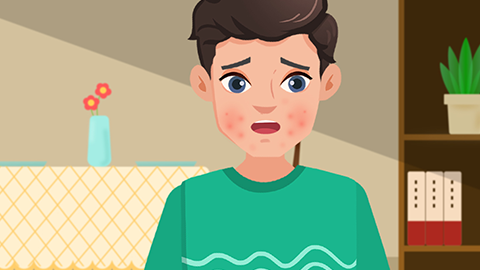
When telangiectasia appears in conjunction with sensitive skin, proper cleansing and gentle skincare are essential; severe cases require prompt medical evaluation and treatment at a hospital. We hope this information proves helpful to you!



