


Can drinking bitter melon slices steeped in water prevent diabetes?
May 05, 2022
Source: Cainiu Health

Dr. Pan Yongyuan
Introduction
Drinking bitter melon steeped in water does not lower blood glucose levels. It can only serve as a supportive adjunctive therapy; bitter melon does offer some benefits for blood glucose regulation. Early symptoms of elevated blood glucose are often subtle, and many individuals are not diagnosed with diabetes until their blood glucose levels are markedly high—manifesting as excessive thirst, fatigue, and unexplained weight loss. If you experience any of these symptoms, it is recommended to undergo blood glucose testing, including both fasting and postprandial (after-meal) glucose measurements.
Soaking bitter melon slices in water yields a beverage with high nutritional value, rich in essential nutrients such as protein, fat, and vitamin A—substances indispensable to human health. Bitter melon water has heat-clearing and detoxifying properties, effectively alleviating fatigue and enhancing mental alertness. Regular consumption may also contribute to overall health maintenance. But can drinking bitter melon-infused water help prevent diabetes?
Can drinking bitter melon-infused water prevent diabetes?
Drinking bitter melon water does not lower blood glucose levels. It may serve only as an adjunctive therapy in routine management; while bitter melon offers certain benefits for blood glucose regulation, it is not a hypoglycemic agent.

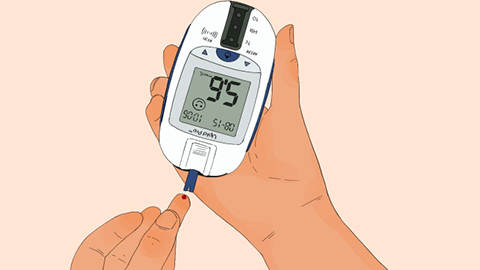
Early symptoms of elevated blood glucose are often subtle. Many individuals are not diagnosed with diabetes until their blood glucose levels have become markedly elevated—manifesting as excessive thirst, dry mouth, fatigue, and unexplained weight loss. If you experience any of these symptoms, it is advisable to undergo blood glucose testing—including both fasting and postprandial (after-meal) measurements. Causes of hyperglycemia include: other underlying diseases; strong associations between coronary heart disease and hyperglycemia; unhealthy lifestyle habits and environmental factors—many young people today frequently consume fast food (e.g., KFC) while neglecting vegetables and fruits, and prolonged dietary patterns like these may predispose individuals to elevated blood glucose. Genetic factors may also contribute to hyperglycemia. Therefore, once hyperglycemia is confirmed, identifying its underlying cause is critical to enable targeted treatment and effective prevention and management. After excluding the aforementioned potential causes, persistent hyperglycemia is highly suggestive of early-stage diabetes. Notably, the onset age of diabetes is decreasing, with cases now even reported among children.
We hope this article has been helpful to you!








