


Can people with high blood sugar eat sunflower seeds?
May 06, 2022
Source: Cainiu Health

Dr. Pan Yongyuan
Introduction
However, if blood glucose levels are only mildly elevated, small amounts may be consumed. Sunflower seeds are classified as nuts and are high in fat. Patients with blood glucose levels above 10 mmol/L and HbA1c levels above 8.5% are advised to avoid sunflower seeds, as their caloric intake—particularly from fats—would increase, impairing glycemic control and potentially leading to weight gain and fatty liver disease.
In daily life, many people experience elevated blood glucose levels, which can harm the body and significantly impair quality of life and work performance. Individuals with high blood glucose must pay close attention to their diet, as food intake directly influences blood glucose levels. So, can people with high blood glucose consume sunflower seeds?
Can people with high blood glucose eat sunflower seeds?
Sunflower seeds are generally not recommended for individuals with elevated blood glucose. However, if blood glucose is only mildly elevated, small amounts may be consumed. Sunflower seeds belong to the nut category and are high in fat. Patients whose fasting blood glucose exceeds 10 mmol/L and whose glycated hemoglobin (HbA1c) exceeds 8.5% should avoid sunflower seeds altogether. This is because their caloric intake—particularly from fats—would increase, thereby hindering blood glucose control and potentially contributing to weight gain and non-alcoholic fatty liver disease.
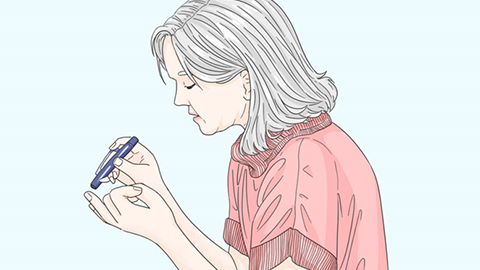
Although sunflower seeds contain less fat than peanuts or cashews, they still provide substantial calories. Consuming them during periods of poor glycemic control increases total caloric intake, leading to elevated blood glucose and making weight management more difficult. However, for individuals with well-controlled diabetes and only mild postprandial glucose elevation (e.g., ~8 mmol/L), moderate consumption of sunflower seeds may be acceptable—provided they are eaten between meals or before a meal, rather than immediately after. In such cases, the portion size of the main meal should be correspondingly reduced.
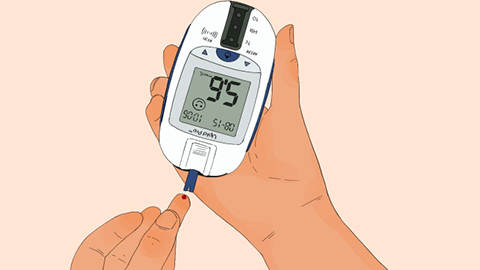
Adopting a pattern of eating smaller, more frequent meals—and avoiding overeating—is advisable. Regular physical activity is also essential, as it helps lower blood glucose levels and enhances immune function. We hope this information proves helpful to you!


