


Can people with high blood sugar eat sunflower seeds?
May 10, 2022
Source: Cainiu Health

Dr. Pan Yongyuan
Introduction
Individuals with high blood glucose should monitor their intake of sunflower seeds and minimize consumption of dietary fats. Sunflower seeds contain a certain amount of sugar; therefore, people with diabetes should consume them sparingly. Excessive daily intake of sunflower seeds will inevitably affect blood glucose levels and hinder glycemic control in diabetic patients. Moreover, in addition to being rich in protein, sunflower seeds also contain significant amounts of fat. Overconsumption not only substantially increases caloric intake but also elevates blood lipid levels.
During leisure time, many of us enjoy snacking on sunflower seeds. But can individuals with high blood glucose consume them?
Can individuals with high blood glucose eat sunflower seeds?
Individuals with elevated blood glucose must carefully monitor their intake of sunflower seeds and minimize consumption of dietary fats. Although sunflower seeds contain only modest amounts of carbohydrates, people with diabetes should still limit their intake. Excessive daily consumption can adversely affect blood glucose control. Moreover, in addition to being rich in protein, sunflower seeds are also high in fat. Overconsumption significantly increases caloric intake and raises blood lipid levels. Some of these lipids may be converted into glucose via gluconeogenesis, thereby elevating blood glucose. Additionally, while shelling sunflower seeds, saliva adheres to the shells and is inadvertently expelled—leading to excessive salivary loss. This may result in oral ulcers, gingivitis, dental caries, and indigestion, as well as diminished taste sensation and reduced appetite. Saliva helps clear food debris from the mouth, inhibits bacterial proliferation and fermentation, and protects oral mucosa. For individuals with diabetes, oral ulcers heal poorly; therefore, it is advisable to manually shell sunflower seeds—and crucially, avoid overeating them.
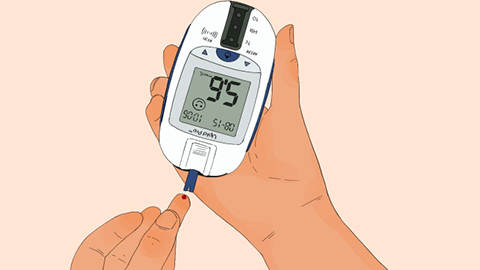
Thus, if portion control is achievable—e.g., consuming only a few seeds per meal—it is generally acceptable. However, for those lacking self-discipline, it is advisable to avoid sunflower seeds altogether, as they are easy to overeat—especially while watching TV or using mobile devices—potentially leading to excessive intake and consequent adverse effects on blood glucose levels.

Individuals with high blood glucose should undergo regular blood glucose monitoring at healthcare facilities and actively pursue appropriate treatment. We hope this information proves helpful. Wishing you a joyful life and good health!


