


What Are the Symptoms of “Excessive Internal Heat”?
May 08, 2022
Source: Cainiu Health

Dr. Pan Yongyuan
Introduction
Excess Fire: Symptoms include dry mouth and throat, oral ulcers, sore and swollen throat, and swollen, painful gums. Some patients may also experience yellow sputum with cough, nasal discharge, halitosis, bitter taste in the mouth, increased eye discharge, constipation, dysuria or burning sensation during urination, and yellow vaginal discharge. These symptoms are typically pronounced. Treatment involves clearing heat and eliminating fire—for example, with traditional Chinese herbal formulas such as Yinhuang Weiqing (a compound containing honeysuckle and scutellaria) or Niuhuang Jiedu (a compound containing bovine calculus and other heat-clearing herbs).
Many people assume diagnosing “excess internal heat” (a traditional Chinese medicine concept often translated as “getting overheated” or “fire excess”) is straightforward—believing, for instance, that excessive eye discharge alone indicates this condition. But is that truly the case?
What Are the Types and Symptoms of “Excess Internal Heat”?
Symptoms:
• Excess Fire (Real Fire): Includes dry mouth and throat, oral ulcers, sore and swollen throat, gingival swelling and pain. Some patients may also experience yellow phlegm with coughing, nasal discharge, halitosis, bitter taste in the mouth, increased eye secretions, constipation, painful or burning urination, and yellow vaginal discharge. Symptoms are typically pronounced and acute. Treatment focuses on clearing heat and eliminating fire—for example, using traditional Chinese herbal formulas such as Yinhuang Weiqing Granules or Niuhuang Jiedu Tablets.
• Deficiency Fire (Virtual Fire): Arises from relative insufficiency of yin fluids, leading to relatively excessive internal heat. Symptoms include dry mouth and throat, heat sensations in the palms and soles, tidal fever, night sweats, insomnia, and irritability. In severe cases, oral ulcers and gingival pain may occur—but the intensity of pain is generally milder than in excess fire. Treatment emphasizes nourishing yin and clearing deficiency heat—for example, using traditional Chinese herbal formulas such as Baihe Dihuang Tang.
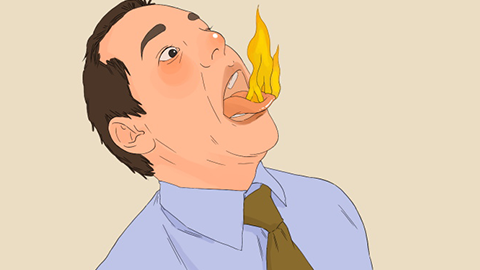
Since “excess internal heat” commonly stems from internal heat toxins, effectively clearing these toxins is key to rapidly reducing heat. Oral administration of medications such as Vitamin C and Honeysuckle Tablets, Huanglian Shangqing Tablets, or Niuhuang Jiedu Tablets can detoxify the body and thereby alleviate heat symptoms—making this one of the fastest-acting approaches.
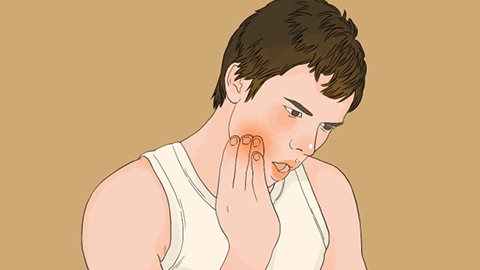
There are many methods for reducing internal heat—including dietary therapy and pharmacological interventions. Generally, mild cases respond well to dietary adjustments, while more severe cases may require medication. However, since all medicines carry potential toxicity, they should be used only when necessary. If medication is not required, it is best avoided altogether. We hope this information proves helpful to you!



