


What Are the Symptoms of “Excessive Internal Heat”?
May 09, 2022
Source: Cainiu Health

Dr. Pan Yongyuan
Introduction
Symptoms include sore throat, acne, red spots on the tip of the tongue, dry mouth with increased thirst, and facial flushing.
Deficient fire in the Heart may cause night sweats, facial flushing, and low-grade fever, whereas excess fire may lead to oral ulcers and angular cheilitis (cracking and ulceration at the corners of the mouth).
Liver fire may manifest less overtly but can present as tinnitus, spontaneous bleeding, dry eyes, halitosis, sleep disturbances, and reduced sleep quality.
Most people are familiar with the concept of “internal heat” (a traditional Chinese medicine term referring to excessive heat in the body), and many experience it from time to time. In mild cases, symptoms often subside simply by adjusting one’s diet and lifestyle.
What Are the Symptoms of Internal Heat?
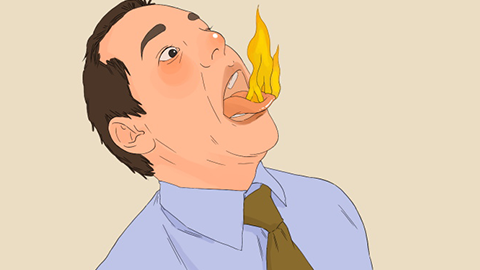
Common manifestations include sore throat, acne breakouts, red dots on the tip of the tongue, dry mouth with increased thirst, and facial flushing. “Deficient fire” (a type of internal heat associated with yin deficiency) may cause night sweats, facial flushing, and low-grade fever, whereas “excess fire” (associated with pathogenic excess) may lead to oral ulcers or angular cheilitis (cracks or sores at the corners of the mouth). When internal heat affects the lungs, symptoms may include a dry, sore throat; dryness and discomfort inside the nose; heat sensations in the palms and soles; and a dry, persistent cough. Liver-related internal heat may be less obvious but can manifest as tinnitus, spontaneous bleeding (e.g., nosebleeds or gum bleeding), dry eyes, halitosis (bad breath), and sleep disturbances—such as difficulty falling asleep or poor sleep quality.
In daily life, it is essential to maintain overall health through proper self-care. Pay close attention to your body’s signals, avoid excessive stress, face life with a positive attitude, cultivate emotional balance, and adopt healthy living habits. Additionally, if you notice symptoms such as a red tongue, irritability, or chest tightness, seek medical advice promptly to control the condition early—thereby minimizing its impact on your daily life, work, and studies.
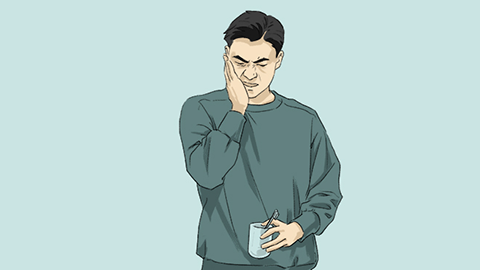
In cases of severe internal heat, timely treatment is imperative. Because individual constitutions vary significantly, therapeutic approaches must be tailored to each person’s specific condition. If comorbidities are present, they must also be taken into account, and long-term, comprehensive management may be required. We hope this information has been helpful. Wishing you a joyful life and robust health!



