


Management of Wasp Stings
May 09, 2022
Source: Cainiu Health

Dr. Liu Wan
Introduction
After being stung by a wasp, immediate local first aid is required: remove the wasp’s stinger or venom, disinfect the affected area, and administer appropriate medication to prevent excessive toxin absorption. This may otherwise cause localized symptoms such as pain, papules, urticarial wheals, petechiae, or vesicles—and in severe cases, systemic reactions including fever, seizures, or anaphylactic shock. Therefore, prompt medical evaluation at a hospital is essential following any bee or wasp sting.
Children are naturally energetic and curious, often running and playing in areas abundant with flowers, plants, and trees—making them especially prone to insect bites or stings from wasps (including hornets and yellow jackets).
First Aid for Wasp Stings
Immediate local management is essential following a wasp sting. First, carefully remove any embedded stinger and express residual venom. Next, disinfect the wound and administer appropriate medications to prevent systemic absorption of toxins. Untreated, wasp venom may cause localized symptoms—including pain, papules, urticarial wheals, petechiae, and vesicles—as well as systemic manifestations such as fever, seizures, or even anaphylactic shock. Therefore, prompt medical evaluation at a hospital is strongly advised after any bee or wasp sting. Venom contains potent bioactive components; timely intervention helps prevent more severe complications. For patients with moderate-to-severe reactions, adjunctive topical herbal therapies may be considered—for example, external application of Jide Sheng Snake Bite Tablets (a traditional Chinese patent medicine), or, under physician guidance, localized use of topical corticosteroid ointments.
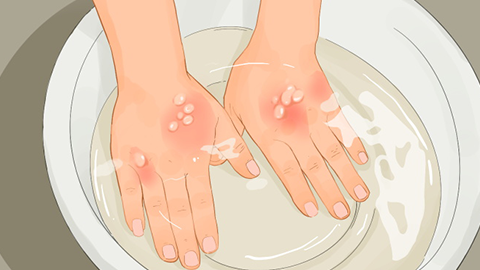
If stings occur on the limbs, apply a tourniquet or bandage approximately 5–10 cm proximal to the sting site. Loosen it for one minute every 20–30 minutes; total tourniquet time should not exceed two hours. After removing the stinger using a credit card, tweezers, or similar tool, cleanse the wound routinely with iodophor solution—or irrigate or apply a wet compress using dilute acetic acid (e.g., vinegar), which helps neutralize the alkaline venom of wasps. In cases of altered consciousness or cardiac arrest, initiate cardiopulmonary resuscitation (CPR) immediately.

When stung by a bee or wasp, remain calm and seek prompt medical care. Under professional guidance, combine pharmacologic and supportive treatments for optimal outcomes. We hope this information proves helpful.



