


What should be considered in daily life for managing hyperglycemia?
May 10, 2022
Source: Cainiu Health

Dr. Pan Yongyuan
Introduction
Pay attention to daily dietary choices. After experiencing symptoms of hyperglycemia, patients should adjust their daily eating habits—opting for light, non-irritating foods and strictly limiting sugar intake. Avoid high-sugar foods such as cakes, cream, chocolate, and milk tea, as excessive consumption may cause sustained elevation of blood glucose levels. Instead, prioritize fresh vegetables.
Elevated blood glucose levels are common among middle-aged and elderly individuals. Once blood glucose rises, it inevitably poses health risks; therefore, patients with hyperglycemia must take proactive preventive measures in daily life to better stabilize their blood sugar levels. So, what precautions should be taken in daily life for managing hyperglycemia?
What Precautions Should Be Taken Daily for Hyperglycemia?
Pay attention to daily dietary choices. After developing symptoms of hyperglycemia, patients should adjust their daily eating habits—opting for light, non-irritating foods while strictly limiting sugar intake. Avoid high-sugar foods such as cakes, cream, chocolate, and milk tea, as excessive consumption may cause persistent elevation of blood glucose. Instead, prioritize fresh vegetables—for example, Chinese cabbage, lettuce, and celery.
Increase physical activity. Engage in moderate exercise regularly—such as brisk walking, jogging, practicing Tai Chi, doing yoga, performing calisthenics, or taking leisurely walks. These activities help burn excess calories and glucose, effectively aiding blood glucose control. However, since some patients may experience dizziness or fatigue due to hyperglycemia, it is generally advisable to wait until these symptoms subside before initiating physical activity, to prevent accidents.

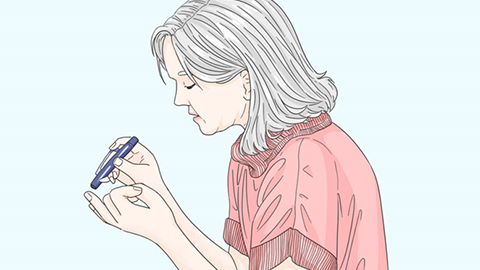
Monitor blood glucose regularly. In addition to dietary and exercise management, close monitoring of blood glucose levels is essential to track fluctuations. Based on the observed glycemic control, treatment plans—including medication dosage—should be adjusted accordingly. If blood glucose remains persistently elevated, oral hypoglycemic agents (e.g., metformin) should be taken as prescribed. Insulin levels should also be monitored; if pancreatic function becomes impaired, insulin injections should be administered under a physician’s guidance. We hope this information proves helpful to you!








