


Normal Blood Glucose Level After Meals
May 11, 2022
Source: Cainiu Health

Dr. Pan Yongyuan
Introduction
The normal postprandial blood glucose level is not merely a single numerical value. It varies depending on the time elapsed since the meal and is typically categorized into three measurements: 1 hour, 2 hours, and 3 hours after eating. The corresponding blood glucose values differ for each time point.
At 1 hour postprandially: blood glucose ranges from 6.7–9.4 mmol/L, with an upper limit of 11.1 mmol/L (200 mg/dL).
Postprandial blood glucose (PPG) levels are one of the key indicators of human health. Normal blood glucose values provide valuable guidance for disease diagnosis, treatment, and monitoring.
Normal Postprandial Blood Glucose Values
Normal postprandial blood glucose is not merely a single numerical value; rather, it varies depending on the time elapsed after a meal—commonly categorized as 1 hour, 2 hours, or 3 hours post-meal. The measured glucose levels differ across these time points:
- 1 hour postprandial: 6.7–9.4 mmol/L, with an upper limit of 11.1 mmol/L (200 mg/dL).
- 2 hours postprandial: ≤7.8 mmol/L.
- 3 hours postprandial: Blood glucose returns to baseline; urine glucose tests are consistently negative.

In individuals with diabetes, postprandial blood glucose serves as a critical marker of overall physiological function. Specifically, the 2-hour postprandial glucose level reflects the body’s ability to tolerate a standardized glucose load. In healthy individuals without diabetes, the 2-hour postprandial glucose level should remain below 7.0 mmol/L. A value exceeding this threshold indicates abnormal glucose metabolism. A 2-hour postprandial glucose level between 7.8 and 11.1 mmol/L suggests impaired glucose tolerance (IGT). Diabetes is diagnosed when fasting plasma glucose is ≥7.0 mmol/L or 2-hour postprandial plasma glucose (2h-PPG) is ≥11.1 mmol/L.
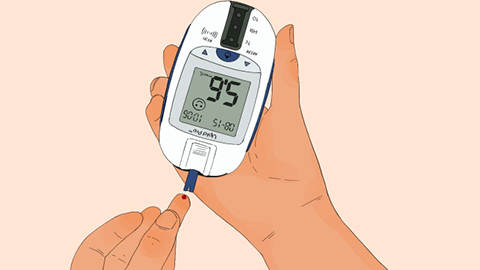
Engaging in physical activity 30 minutes to 1 hour after meals helps burn off part of the ingested calories. By meeting the body’s physiological energy requirements and expending excess calories through exercise, a dynamic energy balance is achieved—effectively preventing postprandial hyperglycemia. We hope this information proves helpful!






