


Normal blood glucose level 1.5 hours after a meal
May 11, 2022
Source: Cainiu Health

Dr. Pan Yongyuan
Introduction
Diabetes specialists note that the normal postprandial blood glucose values vary among individuals with diabetes. Individuals whose blood glucose peaks at less than 11.1 mmol/L one hour after a meal and declines to below 7.8 mmol/L two hours after the meal may be classified as healthy. For pregnant women, the postprandial blood glucose threshold is 10.6 mmol/L.
At some point, sugar began transforming into a “sweet poison.” Countless people now dread sugar, and many have developed illnesses linked to excessive sugar intake. Once a symbol of sweetness and happiness, sugar has become a source of anxiety for many. So, what is the normal blood glucose level 90 minutes after a meal?
Normal Blood Glucose Level 90 Minutes After a Meal
Diabetes specialists indicate that the normal postprandial (after-meal) blood glucose level at 1 hour varies among individuals with diabetes. A peak blood glucose level below 11.1 mmol/L at 1 hour post-meal, followed by a decline to below 7.8 mmol/L at 2 hours post-meal, generally places the individual within the healthy range. Pregnant women should undergo blood glucose testing at 1 hour post-meal, with an upper limit of 10.6 mmol/L; however, this 1-hour postprandial test is not routinely required for non-pregnant individuals.
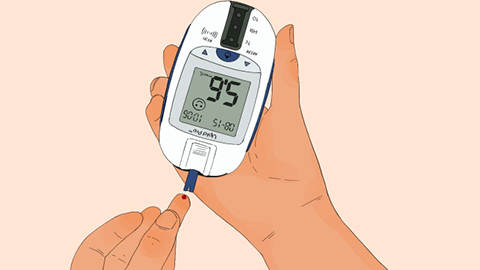
Postprandial blood glucose reflects blood glucose levels following a glucose load—typically measured two hours after breakfast. For individuals with diabetes, monitoring postprandial glucose is critically important, as most of the day is spent in the postprandial state. Thus, effective control of postprandial glucose directly reflects overall glycemic control. Research has shown that elevated postprandial glucose levels are closely associated with macrovascular and microvascular complications—including kidney disease—in diabetes. The higher the postprandial glucose level, the greater the risk of developing such complications.

It is essential to perform routine blood glucose monitoring. Do not focus solely on fasting blood glucose—pay equal attention to postprandial glucose levels. If abnormalities are detected, promptly adjust your treatment plan accordingly. We hope this information proves helpful. Wishing you a joyful life and good health!






