What is the normal value of luteinizing hormone (LH)?
May 11, 2022
Source: Cainiu Health

Dr. Pan Yongyuan
Introduction
Normal luteinizing hormone (LH) levels in women:
- Early follicular phase: 2.12–10.89 IU/L
- Preovulatory peak: 19.18–106.03 IU/L
- Luteal phase: 1.20–12.86 IU/L
In postmenopausal women, normal LH levels range from 10.87–58.64 IU/L.
Luteinizing hormone (LH) is a type of sex hormone. In females, LH levels are relatively high; however, abnormally elevated or reduced LH levels can adversely affect bodily functions. So, what constitutes the normal range for luteinizing hormone?
What Is the Normal Range for Luteinizing Hormone?
In females, normal LH levels vary by menstrual phase: during the early follicular phase, levels range from 2.12–10.89 IU/L; at the preovulatory peak, they rise to 19.18–106.03 IU/L; and during the luteal phase, they fall to 1.20–12.86 IU/L. In postmenopausal women, normal LH levels range from 10.87–58.64 IU/L. In males, the normal range is 1.24–8.62 IU/L.
Luteinizing hormone is one of the gonadotropins secreted by the anterior pituitary gland. In males, it stimulates Leydig cells in the testes to produce testosterone. In females, during the early follicular phase, LH works synergistically with estrogen and follicle-stimulating hormone (FSH) to support follicular development. As the follicle matures near ovulation, an LH surge triggers ovulation. During the luteal phase, LH promotes corpus luteum formation and sustains its function.
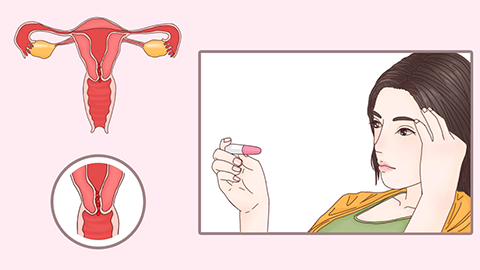
Abnormal LH levels may lead to various clinical manifestations. For example, female infertility may occur when low LH impairs timely endometrial shedding, thereby reducing conception likelihood. Menstrual disorders—including shortened cycles or prolonged menses—are also commonly associated with low LH levels, causing significant discomfort. If abnormalities are detected, prompt medical evaluation and intervention are essential. We hope this article has been helpful. Wishing you a joyful life and optimal health!