


Fingerstick Blood Glucose Normal Value Reference Table
May 11, 2022
Source: Cainiu Health

Dr. Pan Yongyuan
Introduction
The human body possesses a highly sophisticated and tightly regulated system that maintains blood glucose levels within the normal range. Under normal conditions, fasting plasma glucose levels range from 3.3 to 5.5 mmol/L, while 2-hour postprandial glucose levels fall between 4.4 and 7.7 mmol/L. Capillary blood glucose measurements (e.g., from fingertip pricks) have limited clinical significance, as capillary blood is peripheral blood and exhibits relatively greater fluctuations in glucose concentration.
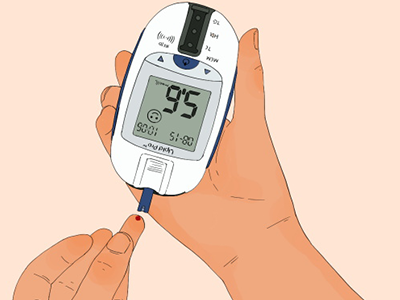
For patients with diabetes, blood glucose monitoring is a critical parameter throughout diabetes management. Blood glucose monitoring primarily refers to capillary (fingerstick) blood testing, as it is convenient and easy to perform. So, what are the normal reference ranges for fingerstick blood glucose?
Normal Reference Ranges for Fingerstick Blood Glucose
The human body maintains tight, complex regulatory mechanisms to keep blood glucose within a normal range. Under normal physiological conditions, fasting plasma glucose levels typically fall between 3.3–5.5 mmol/L, while 2-hour postprandial plasma glucose levels range from 4.4–7.7 mmol/L. Fingerstick blood glucose measurements hold limited clinical significance because capillary blood reflects peripheral circulation, where glucose levels fluctuate more significantly—consecutive readings may even differ. Thus, fingerstick testing is best suited for routine self-monitoring by patients rather than definitive clinical diagnosis. The normal reference ranges for fingerstick blood glucose are primarily intended for patient self-testing; however, patients are strongly advised to undergo formal plasma glucose testing at a healthcare facility. The generally accepted normal ranges for fingerstick blood glucose are as follows: fasting glucose, 4.4–6.1 mmol/L; and postprandial glucose, 6.7–8.3 mmol/L.

Fingerstick blood glucose values tend to be higher than venous plasma glucose values due to differences in sample purity—capillary blood contains a higher proportion of interstitial fluid and cellular components compared to venous plasma. To accurately assess glycemic control, the most reliable method remains standard laboratory testing performed at a hospital or clinical laboratory. Furthermore, whether measuring fingerstick or venous blood glucose, testing should ideally be conducted under fasting conditions to ensure optimal accuracy and comparability of results.
To accurately evaluate glycemic control, standard clinical laboratory testing remains the gold standard. We hope this information has been helpful. Wishing you a joyful life and good health!


