


Normal Blood Glucose Level 3 Hours After a Meal
May 11, 2022
Source: Cainiu Health

Dr. Pan Yongyuan
Introduction
In adults, the normal 3-hour postprandial blood glucose level should be maintained below 6.1 mmol/L; in pregnant women, it should be kept below 5.1 mmol/L. For elderly individuals without diabetes, the normal blood glucose range is the same as that for adults; however, glycemic targets for elderly patients with diabetes are somewhat less stringent. Elevated blood glucose levels during pregnancy may lead to gestational diabetes mellitus, posing significant risks to both the mother and the fetus; therefore, blood glucose control is particularly strict in pregnant women.
In daily life, we often experience various physical ailments. When such health issues arise, it’s important not to panic. So—what is the normal blood glucose level three hours after a meal?
Normal Blood Glucose Level Three Hours After a Meal
For healthy adults, the normal blood glucose level three hours after a meal should be below 6.1 mmol/L. For pregnant women, it should remain under 5.1 mmol/L. In elderly individuals without diabetes, the normal postprandial (after-meal) glucose range is the same as for adults; however, glycemic targets for elderly patients with diabetes may be slightly relaxed. Elevated blood glucose during pregnancy increases the risk of gestational diabetes, which poses significant risks to both mother and fetus—hence, stricter glucose control is required in pregnancy. Typically, a blood glucose level below 5.1 mmol/L within three hours after eating is considered normal for pregnant women. If blood glucose levels are elevated, timely dietary adjustments and moderate physical activity can help stabilize glucose levels. For elderly individuals without diabetes, the three-hour postprandial glucose level should align with that of adults, with whole-blood glucose remaining below 6.1 mmol/L.
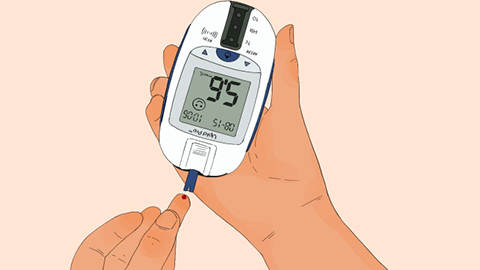
In elderly patients with diabetes, the target for three-hour postprandial glucose may be moderately relaxed—but should not exceed 7.8 mmol/L—to help prevent diabetic complications. If the three-hour postprandial glucose level is only slightly above the normal range, immediate pharmacologic intervention (e.g., antihyperglycemic medication) may not be necessary. Instead, priority should be given to dietary management: avoid high-sugar foods and instead incorporate more low-glycemic-index foods such as onions, pumpkin, bitter melon, cucumber, spinach, and green beans. Additionally, maintaining regular, moderate physical activity supports stable blood glucose control.

Moreover, abnormal blood glucose levels may manifest with other symptoms. Therefore, if you experience any bodily discomfort, it is advisable to seek prompt medical evaluation to identify the underlying cause and receive appropriate treatment. We hope this information has been helpful!







