


What does it mean when herpes simplex virus IgG antibodies are elevated?
May 12, 2022
Source: Cainiu Health

Dr. Liu Wan
Introduction
Elevated herpes simplex virus (HSV) IgG antibodies alone indicate a prior HSV infection. HSV antibodies typically become detectable approximately two weeks after infection. HSV serology—particularly IgG and IgM testing—is primarily used for prenatal care in pregnant women, as HSV infection can cause fetal malformations.
With improvements in living standards, everyone hopes to maintain good health—especially regarding skin conditions. Regular examinations can help prevent certain dermatological diseases. What does it mean when herpes simplex virus (HSV) IgG antibody levels are elevated?
What does an elevated herpes simplex virus (HSV) IgG antibody level indicate?
An elevated HSV IgG antibody level alone indicates a prior infection with the herpes simplex virus. HSV antibodies typically become detectable approximately two weeks after infection. HSV serology testing—particularly for IgG and IgM—is especially important during prenatal care, as maternal HSV infection may cause fetal malformations. Pregnant women are routinely screened for both HSV IgG and IgM antibodies. When assessing HSV IgG, concurrent IgM testing is essential: a positive IgM result suggests an active (current) infection, whereas isolated IgG positivity does not confirm an ongoing HSV infection.

Clinically, herpes simplex manifests as burning sensations and clustered vesicles on the skin or mucous membranes, which subsequently ulcerate. Systemic symptoms—including fever, myalgia, and cervical lymphadenopathy—may also occur. Primary infections tend to be more severe, whereas recurrent episodes are usually milder. Under medical supervision, oral antiviral agents such as acyclovir capsules or valacyclovir hydrochloride capsules may be prescribed; topical acyclovir cream may also be used as adjunctive therapy.
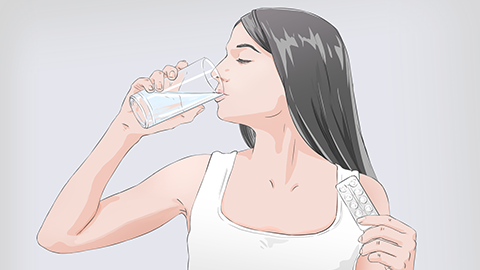
During treatment, maintain meticulous skin hygiene and avoid scratching affected areas. Dietarily, emphasize fresh vegetables and fruits while avoiding greasy, spicy, or otherwise irritating foods—such as fried dough sticks (“youtiao”) or chili peppers. We hope this information proves helpful!





