


What are the methods for detecting gut microbiota?
May 13, 2022
Source: Cainiu Health

Dr. Zhao Haiming
Introduction
Routine stool examination involves bacterial esterification testing of fecal samples, followed by dilution at a specific ratio and subsequent culture to quantify the total counts of various bacterial populations—a process that is relatively cumbersome. However, most people can undergo assessment through cultivation (i.e., microbiota analysis). Colonoscopy enables comprehensive visualization of the patient’s symptoms and signs, and ultimately, intestinal microbiota status is determined according to established laboratory diagnostic criteria.
The gut microbiota significantly influences intestinal health, playing a crucial role in gastrointestinal disorders such as inflammatory bowel disease (IBD) and irritable bowel syndrome (IBS). So, what methods are available for assessing the gut microbiota?
Methods for Assessing the Gut Microbiota
Routine stool examination involves bacterial esterase testing of fecal samples. After diluting the sample to a predetermined ratio, microbial cultures are performed and colony-forming units (CFUs) of various bacterial groups are quantified—a process that can be labor-intensive and time-consuming. Most individuals, however, undergo assessment via colonoscopy. This procedure enables comprehensive visualization of the patient’s gastrointestinal mucosa and associated signs and symptoms; final evaluation of the gut microbiota is then based on standardized laboratory diagnostic criteria.
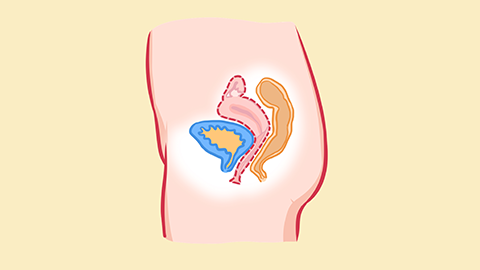
Most bacterial species residing in the human intestine are beneficial. However, an overgrowth of pathogenic or otherwise unhealthy microbes can trigger disease. An imbalance between beneficial and harmful microorganisms—termed “dysbiosis” in medicine—can contribute to weight gain. Probiotics, which consist of beneficial live microorganisms, help restore intestinal homeostasis and may support healthy weight management.

In daily life, it is advisable to consume a diverse range of foods—especially fruits, legumes, and vegetables—rich in dietary fiber, which promotes the growth of beneficial bacteria such as Bifidobacterium and fosters microbial diversity. Fermented foods—including yogurt and kimchi—also contain health-promoting bacteria, particularly lactic acid bacteria, which help reduce the abundance of pathogenic organisms in the gut. Additionally, intake of artificial sweeteners should be limited. We hope this information is helpful to you.









