


The Effects of Lycopene on the Prostate
May 15, 2022
Source: Cainiu Health

Dr. Li Mingchuan
Introduction
Lycopene’s Effects on the Prostate: Lycopene exerts protective effects on the prostate. It promotes the metabolism of free radicals in the prostate and reduces the risk of developing prostatic inflammation. Due to its potent antioxidant capacity, lycopene effectively neutralizes oxidative damage caused by free radicals—key contributors to prostate disorders—thereby helping to prevent prostate-related diseases.
Lycopene is a carotenoid pigment responsible for the red color in many foods. It is also a potent antioxidant that helps protect cells from damage and offers numerous health benefits. So, what role does lycopene play in prostate health? Let’s explore this together.
Lycopene’s Effects on the Prostate
Lycopene exerts protective effects on the prostate gland. It promotes the metabolism of free radicals in the prostate and may help reduce the risk of developing prostatic inflammation. However, lycopene is classified as a dietary supplement—not a pharmaceutical drug—and should only be used as a health supplement, not as a treatment for prostate diseases. If you do not have a diagnosed prostate condition, lycopene supplementation may be considered occasionally for general prostate support. In contrast, if you already have a prostate disorder, medical treatment with prescribed medications is essential; relying solely on lycopene will not yield therapeutic benefits and could potentially worsen your condition.

As widely known, tomatoes are rich in lycopene—a naturally occurring plant pigment and an essential carotenoid that the human body cannot synthesize on its own. Lycopene is primarily distributed in the serum and prostate tissue. Scientific evidence confirms that lycopene’s exceptional antioxidant capacity enables it to neutralize harmful oxidative damage caused by free radicals—key contributors to prostate-related disorders. Therefore, lycopene supplementation may effectively support prostate health and help mitigate related issues. To prevent prostate disease, maintain adequate hydration, ensure sufficient rest, avoid staying up late or overexertion, limit intake of spicy and irritating foods, and abstain from smoking and alcohol.
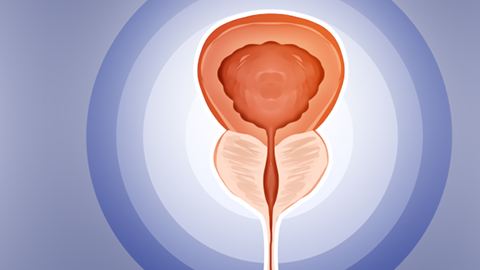
The above outlines lycopene’s role in supporting prostate health. We hope this information proves helpful to you.



