What causes yellowing of the sclera (white part of the eye) with visible red blood vessels?
May 17, 2022
Source: Cainiu Health

Dr. Chen You
Introduction
Yellowing of the sclera (white part of the eye) with visible blood vessels may indicate a pinguecula—typically located adjacent to the cornea (the black part of the eye). A pinguecula is a degenerative and proliferative change in the conjunctival tissue, occurring at the limbus (the junction between the cornea and sclera) within the palpebral fissure area. It appears as a white, pale yellow, or grayish-yellow, triangular or oval conjunctival nodule. Alternatively, the discoloration may represent pigmentary deposition associated with aging. Chronic exposure to sunlight, wind, dust, and other environmental irritants can all contribute to conjunctival pigmentary deposition.
Yellowing of the sclera (the “white” of the eye) accompanied by visible blood vessels (redness or “bloodshot” appearance) may stem from numerous causes—commonly, excessive internal heat (“fire”) or systemic inflammation. Adequate rest and avoidance of prolonged visual strain are essential. So, what exactly causes yellowing of the sclera with accompanying red blood vessels?
What Causes Yellowing of the Sclera with Red Blood Vessels?
Yellowing of the sclera with red blood vessels may indicate a pinguecula—a common, benign degenerative and proliferative change in the conjunctival tissue, typically located at the limbus (the junction between the cornea and sclera) within the palpebral fissure (i.e., adjacent to the cornea). It appears as a white, pale-yellow, or grayish-yellow, triangular or oval-shaped conjunctival nodule. Alternatively, it may reflect pigmentary deposition associated with aging. Chronic exposure to sunlight, wind, dust, and other environmental irritants can induce conjunctival pigment deposition. The presence of red blood vessels in the sclera may result from various forms of conjunctivitis or from ocular fatigue.

Insufficient rest, chronic eye fatigue, infrequent blinking, or persistent dryness may all contribute to scleral yellowing and engorgement of superficial blood vessels. Bacterial infection must also be considered—particularly if accompanied by ocular pain. In most cases, however, these symptoms are attributed to eye strain resulting from poor visual hygiene or suboptimal lifestyle habits, such as excessive use of digital devices (e.g., computers and smartphones) or frequent late-night activity.
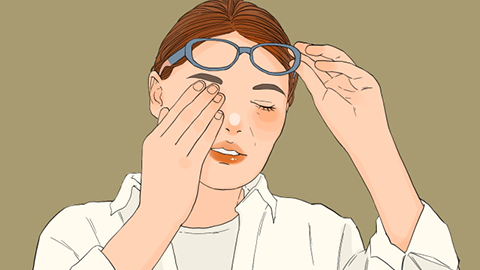
Adopting appropriate visual habits and maintaining a healthy daily routine are crucial. Symptoms often resolve spontaneously with adequate rest. Increasing time spent outdoors can effectively alleviate eye fatigue. If symptoms persist despite adherence to these recommendations, topical anti-fatigue eye drops may provide symptomatic relief; timely refraction testing is also advised. We hope this information proves helpful!