


Can liver disease cause yellowing of the skin?
Sep 13, 2022
Source: Cainiu Health
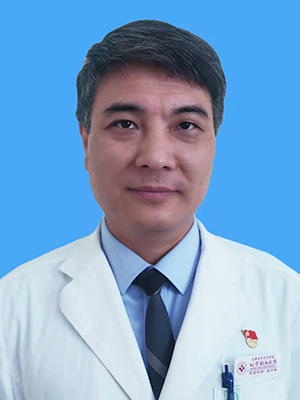
Dr. Jin Zhongkui
Introduction
First, most liver diseases can cause yellowing of the skin. Many people with liver or biliary tract diseases develop a yellow tint in the whites of the eyes or the skin due to elevated blood bilirubin levels, a condition known medically as jaundice. Normally, when aged red blood cells are naturally broken down in the bloodstream, they release hemoglobin, which is then converted into indirect bilirubin in the body.
Some patients may worry whether having liver disease could lead to yellowing of the skin, affecting their personal appearance and attractiveness, and also causing certain psychological stress. So, can liver disease cause yellowing of the skin?
Can liver disease cause yellowing of the skin?
Firstly, most liver diseases can indeed cause yellowing of the skin. When people suffer from liver or biliary tract diseases, elevated blood bilirubin levels often result in yellowing of the whites of the eyes or the skin, a condition known medically as jaundice. Normally, when aging red blood cells naturally break down, they release hemoglobin, which is then converted into indirect bilirubin in the body. This indirect bilirubin travels through the bloodstream to the liver, where it is converted by liver cells into direct bilirubin, which is then excreted into the intestines and eliminated from the body through feces.

Secondly, when liver disease occurs, bilirubin may flow backward in large amounts or remain in the bloodstream, increasing serum bilirubin levels. When serum bilirubin rises above a certain concentration, the sclera (whites of the eyes), skin, and mucous membranes turn yellow, resulting in jaundice. Therefore, if skin or urine discoloration occurs, do not take it lightly—prompt medical examination and treatment are essential to identify the underlying cause of jaundice before initiating appropriate therapy.

Finally, it is recommended that individuals seek timely medical evaluation once symptoms appear and follow professional medical guidance for proper management. We hope this response has been helpful to you. Wishing you good health and happiness!




