What Are the Symptoms of Narcolepsy?
May 17, 2022
Source: Cainiu Health

Dr. Guo Xiheng
Introduction
The symptoms of narcolepsy are as follows. First, excessive daytime sleepiness (EDS) refers to irresistible episodes of sleepiness occurring during the day, often suddenly manifesting in non-sleep-conducive environments or at inappropriate times. Each episode lasts from several seconds to several hours; after brief naps, patients typically feel refreshed and alert. Cataplexy—sudden, bilateral loss of muscle tone triggered by strong emotional stimuli—co-occurs with EDS in approximately 70% of cases. During cataplectic episodes, consciousness remains clear, memory is preserved, and respiration remains normal.
Feeling drowsy frequently in spring is common—but what are the symptoms of narcolepsy?
What Are the Symptoms of Narcolepsy?
The symptoms of narcolepsy include the following:
First, excessive daytime sleepiness (EDS) refers to irresistible, sudden episodes of sleepiness occurring during the day—often in non-sleep-conducive environments or at inappropriate times. Each episode lasts from several seconds to several hours; after brief naps, patients typically feel refreshed and alert.
Cataplexy—a sudden, bilateral loss of muscle tone triggered by strong emotions—co-occurs with EDS in approximately 70% of cases. During cataplectic attacks, consciousness remains intact, memory is preserved, and respiration remains normal.
Sleep paralysis occurs in about 30% of patients and typically happens during sleep onset or upon awakening. It manifests as transient, generalized muscle weakness while falling asleep or waking up. Patients remain conscious but often experience an inability to move or speak, accompanied by feelings of fear or anxiety.

Hypnagogic hallucinations refer to vivid, often distressing sensory experiences that occur during the transition between wakefulness and sleep. Excessive daytime sleepiness is another hallmark symptom: patients experience irresistible, brief episodes of sleep during the day, unable to resist falling asleep spontaneously. These episodes usually last several minutes and may recur multiple times daily, independent of environmental cues. Hypnagogic hallucinations commonly occur just before sleep onset. Some patients experience such hallucinations prior to disease onset—including visual, tactile, or auditory sensations.
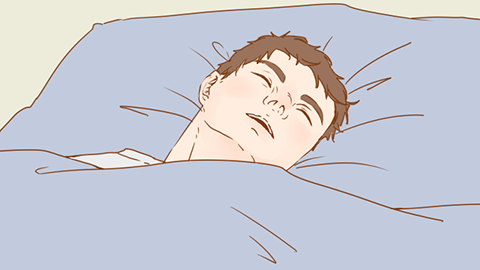
Sleep paralysis refers specifically to a temporary inability to move or speak immediately upon awakening from sleep—commonly observed in individuals with narcolepsy. If you experience any of these symptoms, we recommend seeking prompt medical evaluation and following your physician’s guidance for appropriate management. We hope this information has been helpful. Wishing you good health and happiness!