


Why do my joints hurt after drinking alcohol?
May 18, 2022
Source: Cainiu Health

Dr. Zhao Haiming
Introduction
Joint pain after alcohol consumption can result from excessive drinking, which temporarily disrupts hepatic metabolic function. When the liver cannot adequately metabolize large amounts of alcohol, byproducts such as lactate accumulate in muscles and joints, leading to pain in the joints and surrounding soft tissues. This phenomenon is commonly observed in gout; patients with gout who consume alcohol are prone to developing redness, swelling, and pain in the affected joints.
Alcohol consumption is often unavoidable in daily life. After drinking, some individuals experience various discomforts—among them, joint pain is relatively common. So, what causes joint pain after alcohol intake?
What Causes Joint Pain After Drinking Alcohol?
Joint pain following alcohol consumption may result from excessive drinking, which temporarily disrupts hepatic metabolism. When the liver cannot efficiently metabolize large amounts of alcohol, byproducts such as lactic acid accumulate in muscles and joints, leading to pain in the joints and surrounding soft tissues. This phenomenon is commonly observed in gout patients: alcohol consumption can trigger acute gout attacks characterized by redness, swelling, and severe joint pain. Excessive alcohol intake also disrupts purine metabolism and impairs uric acid excretion. Furthermore, sodium and water retention may occur in the joints, promoting local acid accumulation and subsequent pain.
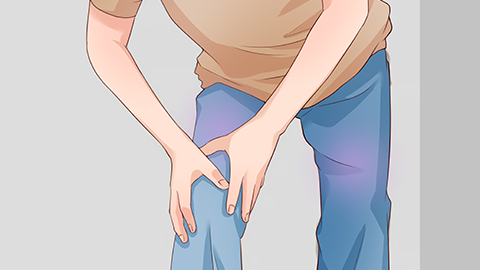
Joint pain is primarily associated with conditions including osteoarthritis, rheumatoid arthritis, joint trauma, septic arthritis, tuberculous arthritis, and febrile illnesses. These disorders typically manifest as joint pain, erythema, inflammation, restricted mobility, and functional impairment. Mild cases may interfere with daily activities and sleep; severe cases can significantly compromise work capacity and daily living functions—including cooking.
For individuals experiencing alcohol-induced joint pain, it is advisable to increase plain water intake—avoid carbonated beverages and alkaline water. A predominantly plant-based diet is recommended, though not all vegetables are equally suitable: eggplant (especially purple-skinned), bok choy, and lettuce are particularly beneficial. Strict avoidance of high-purine foods—including seafood, organ meats, and hotpot—is essential. Regular physical activity is encouraged, but intense exercise should be avoided. Low-impact aerobic activities—such as swimming, tai chi, and table tennis—are ideal choices. We hope this article has been helpful. Wishing you a joyful life and optimal health!



