


Can people with high uric acid levels eat nuts?
May 19, 2022
Source: Cainiu Health

Dr. Liu Aihua
Introduction
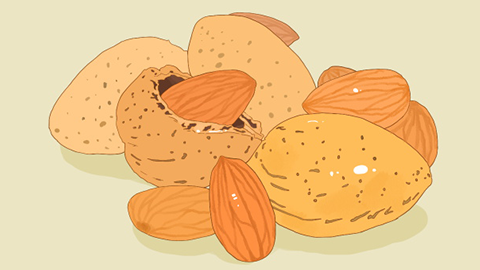
Patients with hyperuricemia are advised to avoid consuming nuts, as most nuts—including pine nuts, walnuts, macadamia nuts, and almonds—are high in purines. Nuts generally fall into the moderate-to-high purine category, and thus should be avoided by individuals with hyperuricemia. In contrast, chestnuts may be consumed, as their primary component is starch and they contain relatively low levels of purines.
The mature ovary of flowering plants (angiosperms). Colloquially, this term refers collectively to the seeds of many plants enclosed within a hard shell—such as peanuts, sunflower seeds, almonds, and walnuts. Nuts are plant-derived foods generally rich in nutrients; however, can individuals with hyperuricemia consume nuts?
Can individuals with hyperuricemia consume nuts?
Nuts are generally not recommended for individuals with elevated uric acid levels, as most nuts—including pine nuts, walnuts, macadamia nuts, and almonds—are high in purines. The majority of nuts fall into the “moderately high purine” category, and thus should be avoided by those with hyperuricemia. Among nuts, chestnuts are a relatively safer option, as their primary component is starch and their purine content is comparatively low.
For individuals with hyperuricemia, it is advisable to select low-purine foods. High-purine animal-based foods—including meat, chicken, duck, shrimp, and grass carp—should be limited or avoided. Among vegetables, legumes and legume-derived products (e.g., tofu, soybeans) should also be minimized. Instead, green leafy vegetables and fruits may be consumed more freely. Regarding fats, unsaturated fatty acids are preferred—but intake must be strictly moderated. Additionally, foods rich in dietary fiber are beneficial, as they help accelerate metabolism.

Beyond dietary management, individuals with hyperuricemia must also adopt lifestyle modifications—including regular physical activity and weight control. In some cases, diet and exercise alone may fail to adequately lower serum uric acid levels. Under such circumstances, uric acid–lowering medications should be initiated under the guidance of a physician. We hope this information proves helpful!



