Can people with high uric acid levels eat nuts?
May 19, 2022
Source: Cainiu Health

Dr. Zhao Haiming
Introduction
Individuals with elevated uric acid levels may consume nuts, but should limit their total daily intake. Nuts are considered low-purine foods, containing less purine than soybeans or most other legumes. For example, walnuts contain approximately one-quarter the purine content of soybeans; Brazil nuts contain about one-quarter, and hazelnuts about one-third. Therefore, these nuts are suitable options.
A category of indehiscent fruit characterized by a hard pericarp enclosing one or multiple seeds—e.g., chestnuts and almonds. Nuts represent the nutrient-dense core of plants and are generally rich in essential nutrients. But can individuals with hyperuricemia consume nuts?
Can individuals with hyperuricemia eat nuts?
Individuals with elevated uric acid levels may consume nuts, but should strictly limit their daily intake. Nuts are classified as low-purine foods—their purine content is lower than that of soybeans or most legumes. For instance, walnuts contain approximately one-quarter the purine content of soybeans; Brazil nuts contain roughly one-quarter, and hazelnuts about one-third. Therefore, these nuts are generally safe for consumption both during acute gout attacks and in the intercritical (asymptomatic) phase of gout.
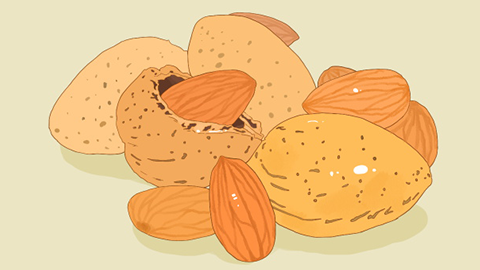
Nuts are highly nutritious, containing abundant protein, healthy fats, minerals, and vitamins—all beneficial for human growth and development, physical fitness enhancement, and disease prevention. For example, every 100 g of walnuts contains a high amount of fat—predominantly unsaturated fatty acids such as linoleic acid and alpha-linolenic acid—and provides approximately 20% protein by weight.
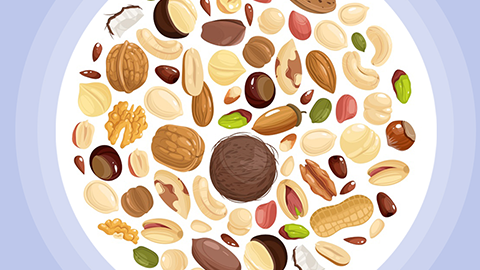
However, because nuts are relatively high in fat, excessive consumption may lead to dyslipidemia in individuals with hyperuricemia. It is therefore recommended to avoid overconsumption of nuts on a daily basis. We hope this information proves helpful!