


How to Manage Eczema in Infants
May 19, 2022
Source: Cainiu Health

Dr. Xie Zixing
Introduction
1. Mild eczema: Few skin lesions and minimal pruritus; no specific treatment is required—simply maintain local dryness and cleanliness. Avoid excessively warm environmental temperatures, scalding with hot water, and the use of strongly irritating alkaline detergents.
2. Moderately severe eczema: Traditional Chinese herbal preparations such as Zicao Ointment or Compound Huangbai Lotion may be used.
3. When there is local exudation, cold wet compresses with normal saline or boric acid solution are indicated.
In daily life, infants have underdeveloped immune systems and are therefore highly susceptible to eczema. Many parents find this distressing. So, how should infant eczema be managed?
Management of Infant Eczema
1. For mild eczema—characterized by few lesions and minimal pruritus—no specific treatment may be required. Simply maintain the affected area clean and dry. Avoid overheating the environment, scalding the skin with hot water, or using strongly alkaline, irritating cleansers.
2. For moderately severe eczema, traditional Chinese herbal preparations such as Zicao Ointment (Purple Herb Ointment) or Compound Huangbai Wash Solution may be used. If topical herbal treatments prove ineffective or if eczema is severe, a low-potency topical corticosteroid—such as hydrocortisone butyrate cream—may be prescribed. However, use should be limited in duration; continuous application is generally not recommended for longer than two weeks.
3. When oozing is present, cold, wet compresses with normal saline or boric acid solution should be applied.
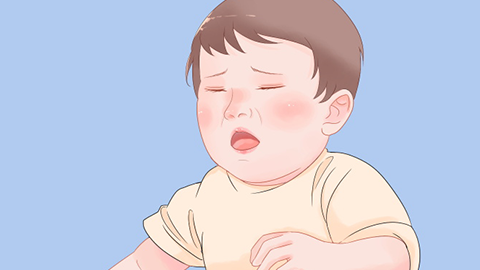
An infant’s skin is exceptionally thin and delicate, making it highly sensitive to external stimuli such as temperature changes. Immature development of the immune, nervous, and motor systems in infants impairs their ability to adequately regulate responses to thermal stress and sweating. When breastfeeding, mothers may inadvertently transmit allergenic substances—including spicy or pungent foods, seafood, beef, and mutton—via breast milk, potentially triggering eczema in the infant. Similarly, when formula-fed, some infants may develop eczema due to incomplete digestion or absorption of certain formula components.
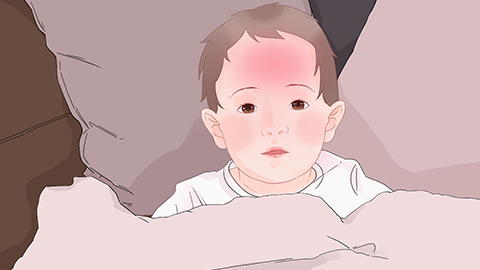
During eczema care, ensure the infant’s skin remains clean and cool. Dress the baby in loose-fitting garments made from soft, natural fabrics such as cotton to minimize skin friction and prevent exacerbation of symptoms. To prevent scratching-induced skin injury, regularly trim the infant’s fingernails. We hope this information proves helpful!



